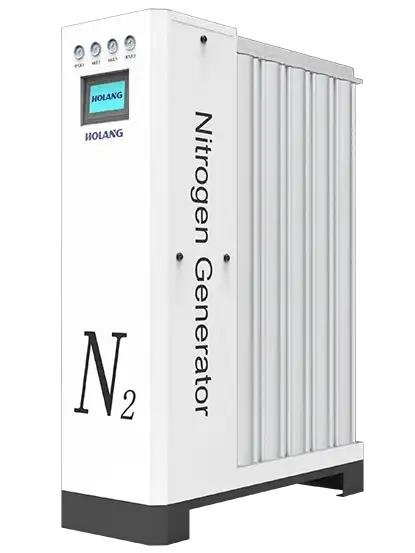
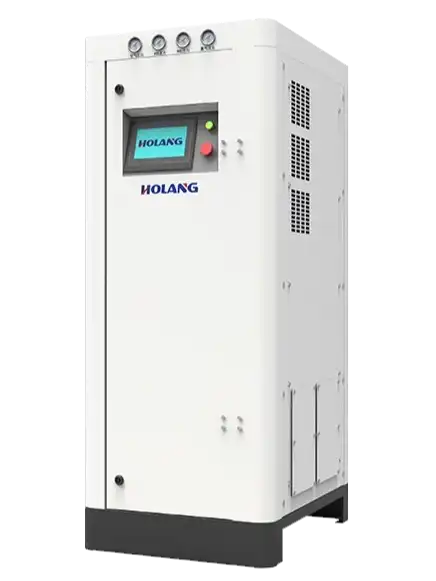
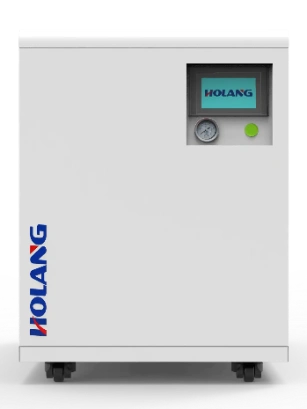






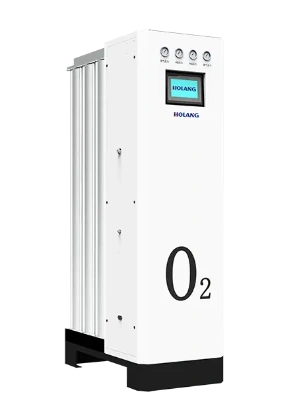
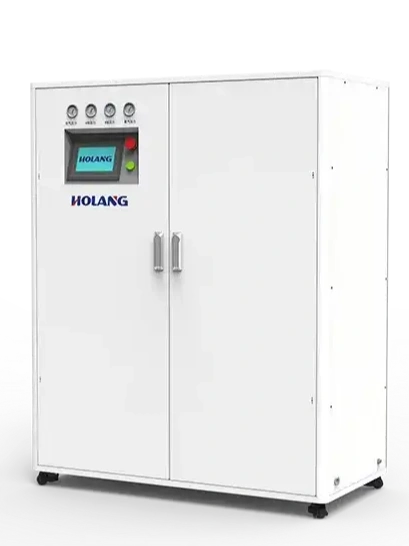
In food packaging, the question is not only whether nitrogen is available, but whether the gas supply method fits the actual production environment. As packaging lines become more continuous, site conditions become tighter, and future expansion becomes more likely, many facilities find that the original supply method is no longer the best long-term fit.
A modular nitrogen generation system is not necessary for every project. But when a packaging operation starts to place higher demands on continuity, flexibility, space utilization, and day-to-day management, it becomes more worthwhile to evaluate whether a modular approach offers a better fit.
1. Limited Installation Space
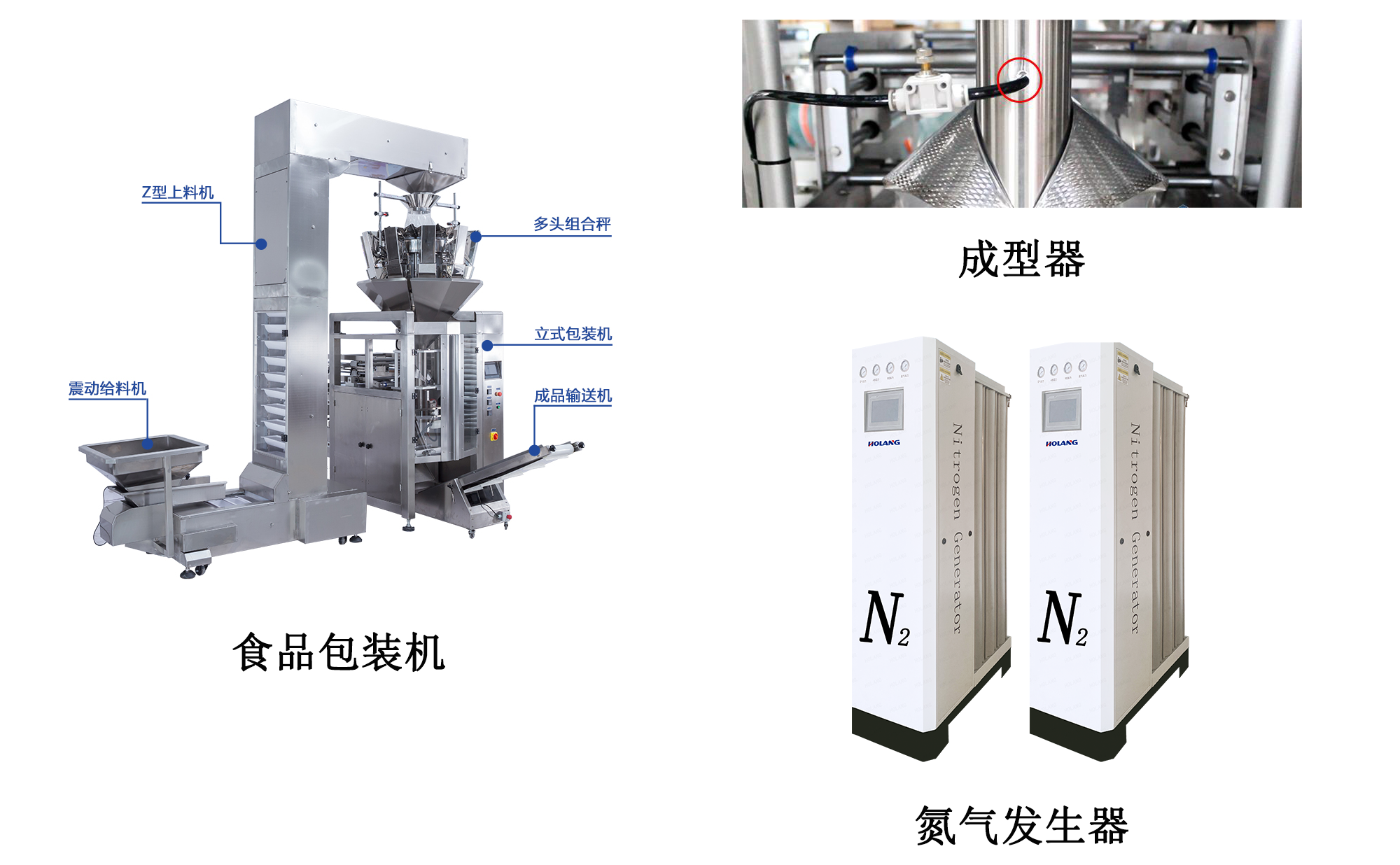
Food packaging workshops often have tight layouts, fixed equipment positions, and limited room for additional infrastructure. In these cases, the practicality of the gas supply system matters as much as output capacity. Facilities may need a solution that is easier to position onsite and easier to integrate into the existing production area.
2. Higher Sensitivity to Supply Interruption
Once a packaging line moves from trial production to regular, high-frequency operation, tolerance for gas supply interruption usually becomes much lower. At that stage, the focus shifts from simply meeting basic gas demand to maintaining stable supply that fits the line rhythm and reduces disruption risk during operation and maintenance.
3. Expansion Plans or Changing Demand
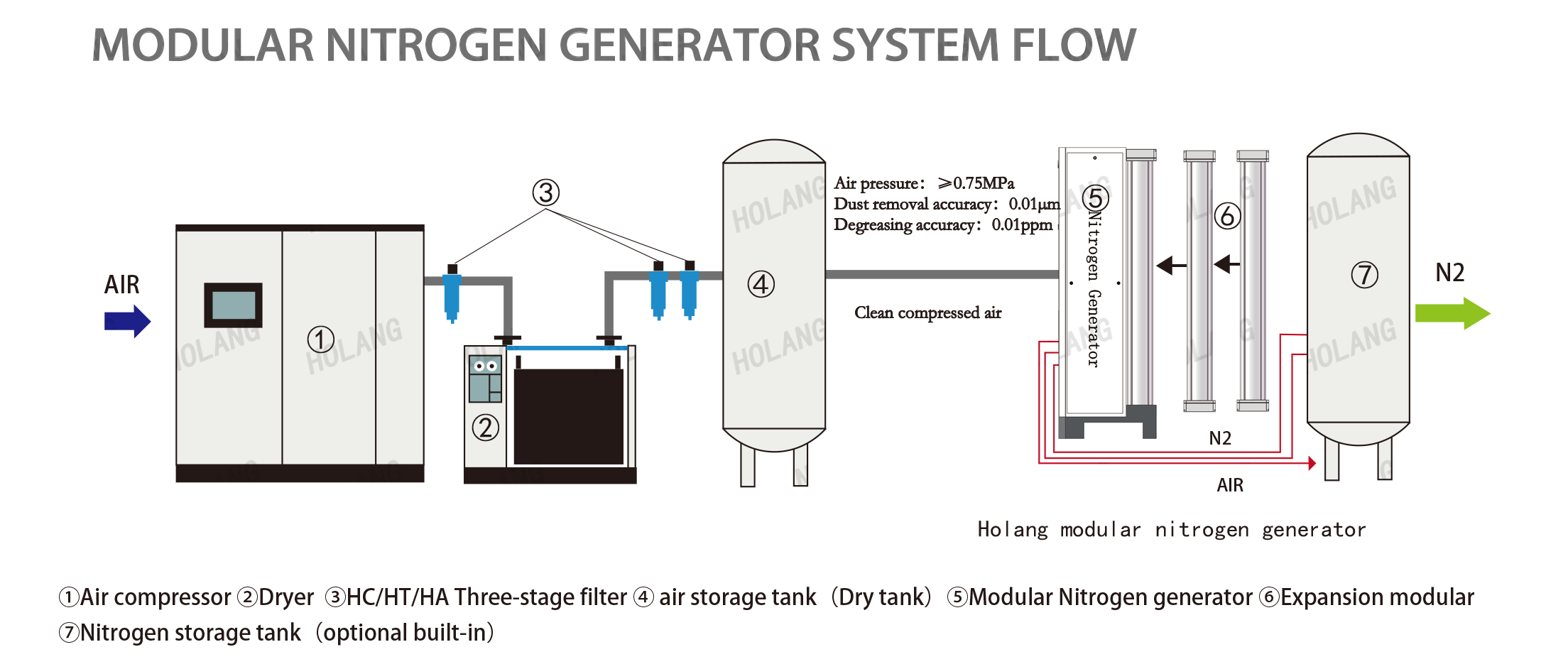
Many food manufacturers do not have completely fixed gas demand from the start. A facility may add packaging lines, increase output, or change product formats over time. When future demand is likely to change, it is often practical to evaluate whether the nitrogen supply system can adapt without forcing a full redesign.
4. Greater Need for Stability and Operating Consistency
In some packaging applications, supply stability and operating consistency become more important over time. This is especially true when the process becomes more sensitive to oxygen control, packaging rhythm, or production continuity. In these cases, the right system should not be chosen only by a purity number. It should also be assessed against actual operating conditions, demand fluctuation, and long-term production needs.
5. Growing Management Pressure
If a facility still relies heavily on cylinders or delivered gas, daily coordination may become more burdensome as production grows. Replacement, handling, scheduling, and supply dependency can all add friction to routine operation. When this starts to affect efficiency, it is often a sign that the supply method itself deserves a closer review.
What Should Be Confirmed Before Selection?
Before selecting a nitrogen solution for food packaging, it is usually helpful to confirm several points: the required purity range, actual gas consumption pattern, peak demand, packaging line type, available installation conditions, compressed air quality, and whether future expansion is already being planned. These factors provide a more reliable basis for system evaluation than looking at a single parameter alone.
Who Is More Likely to Consider a Modular Approach?
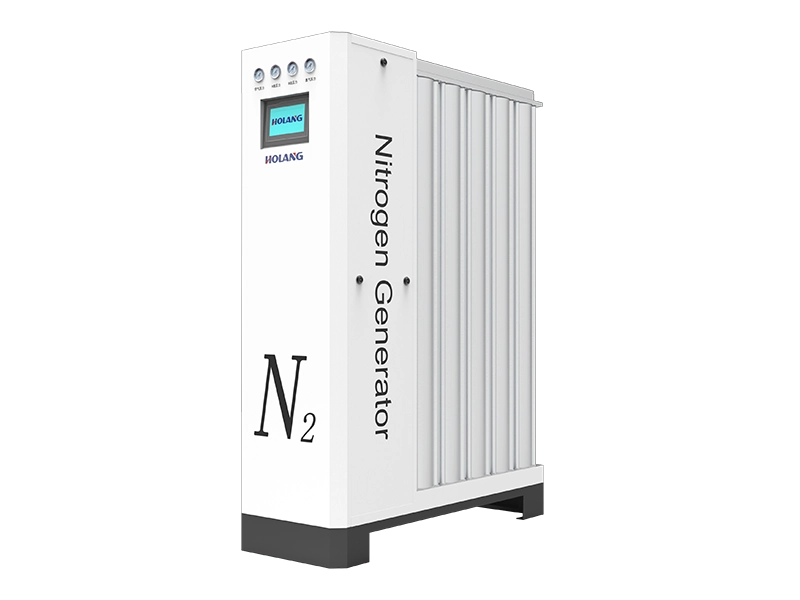
In practice, food packaging facilities are more likely to consider a modular nitrogen generation system when they face one or more of the following conditions: limited onsite space, higher sensitivity to supply interruption, clear expansion plans, stronger expectations for operating stability, or growing pressure from gas management and long-term operating costs.
At that point, the value of a modular approach is not just about equipment form. It is about whether the nitrogen supply system can better match the actual needs of the packaging line, the physical constraints of the site, and the pace of future growth.
About HOLANG
HOLANG specializes in modular nitrogen generation systems for industrial and professional gas supply applications. For food packaging projects, system evaluation should be based on real operating conditions, site layout, and future production plans. If your facility is reviewing its current nitrogen supply method, it may be worth comparing different options before expansion or operational pressure makes adjustment more difficult.