


In SMT production, nitrogen is often treated as a “supporting gas.” However, in practice, it directly impacts soldering quality, defect rates, and overall process stability.
Many companies focus only on nitrogen purity or flow rate during selection, while overlooking how the system performs under real operating conditions.
This article is based on practical engineering scenarios and provides a structured overview of the most common questions related to nitrogen systems in SMT production.
1. Is nitrogen always required in SMT processes?
Answer:
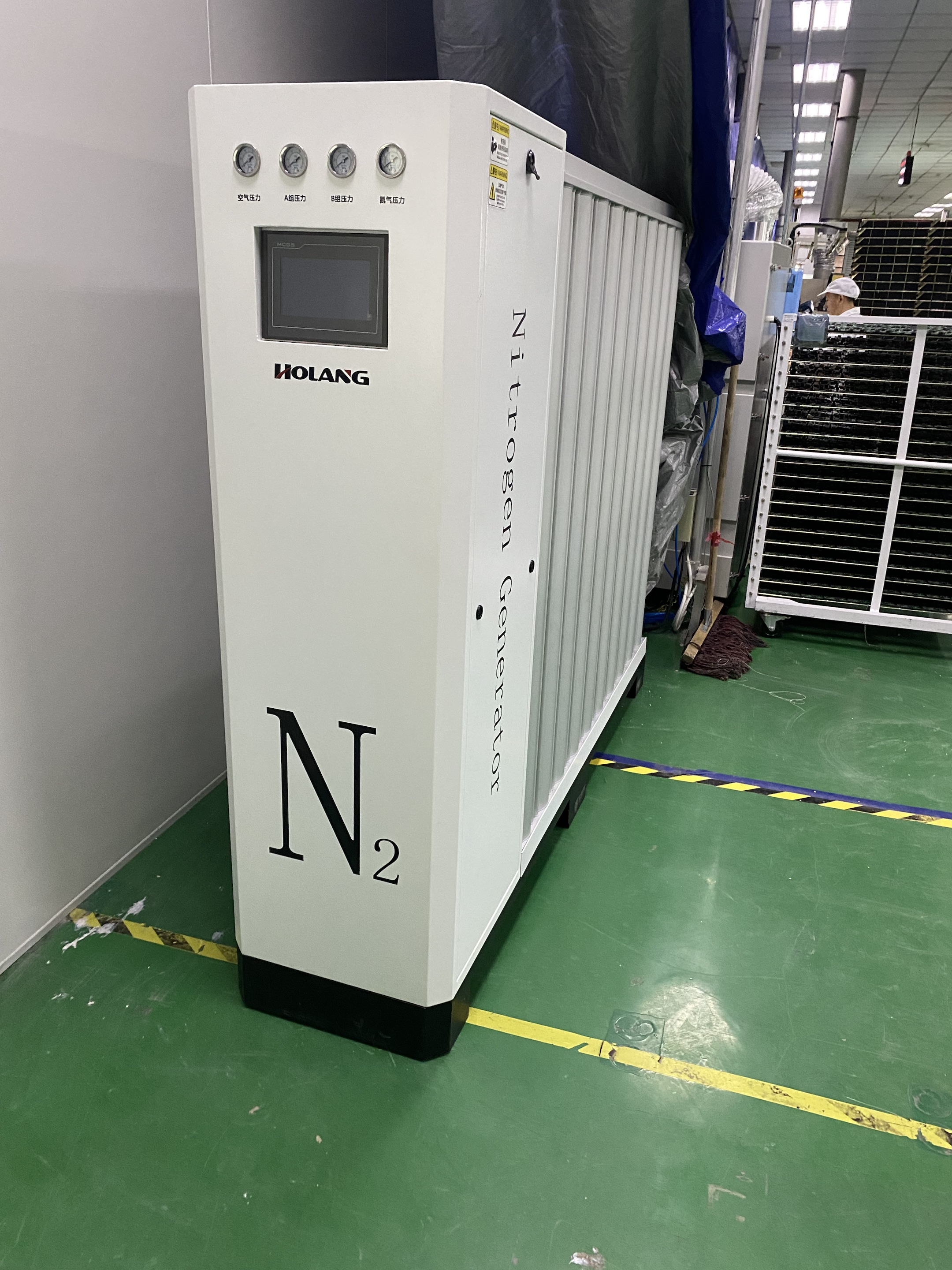
Not all SMT processes strictly require nitrogen. However, as product precision and reliability requirements increase, the role of nitrogen becomes more critical.
During reflow or wave soldering, oxidation is one of the key factors affecting solder joint quality. By reducing oxygen concentration inside the oven, nitrogen helps create a more stable soldering environment.
In practice:
- Standard products can often be produced in air
- Fine-pitch components or high-density PCBs benefit significantly from nitrogen
- Automotive and medical electronics typically require nitrogen as part of the process
In many cases, the value of nitrogen lies not in peak performance, but in reducing variability in mass production.
2. What nitrogen purity is required for SMT?
Answer:
A common misconception is that higher purity always leads to better results.
In reality, the key parameter is the oxygen level inside the oven, not the nitrogen purity itself.
Typical industry references:
- 1000 ppm (99.9%)
- 100 ppm (99.99%)
- ≤50 ppm (high-end applications)
Increasing purity comes with trade-offs:
- Reduced nitrogen output
- Higher energy consumption
- Increased system cost
Therefore, the correct approach is to select the minimum purity that meets process requirements.
3. How much nitrogen flow is required for reflow soldering?
Answer:
Nitrogen flow is closely related to equipment and operating conditions.
Key factors include:
- Oven size and number of heating zones
- Sealing performance
- Production throughput
- Target oxygen level
Typical reference ranges:
- Small ovens: 10–20 Nm³/h
- Medium ovens: 20–40 Nm³/h
- Large ovens: 40–80+ Nm³/h
In practice, system sizing is often determined through on-site testing or OEM recommendations, rather than theoretical calculation alone.
4. Why is oxygen concentration unstable even when nitrogen purity is sufficient?
Answer:
This is one of the most common issues in real production environments.
Typical causes include:
- Leakage in the oven or piping
- Insufficient nitrogen flow
- Pressure fluctuations
- Improper buffer tank configuration
- Unstable compressed air supply
In most cases, the issue does not originate from the nitrogen generator itself, but from system design or compressed air conditions.
5. PSA nitrogen generation vs liquid nitrogen – which is more suitable?
Answer:
Both solutions have their place, depending on production requirements.
PSA Nitrogen Generator:
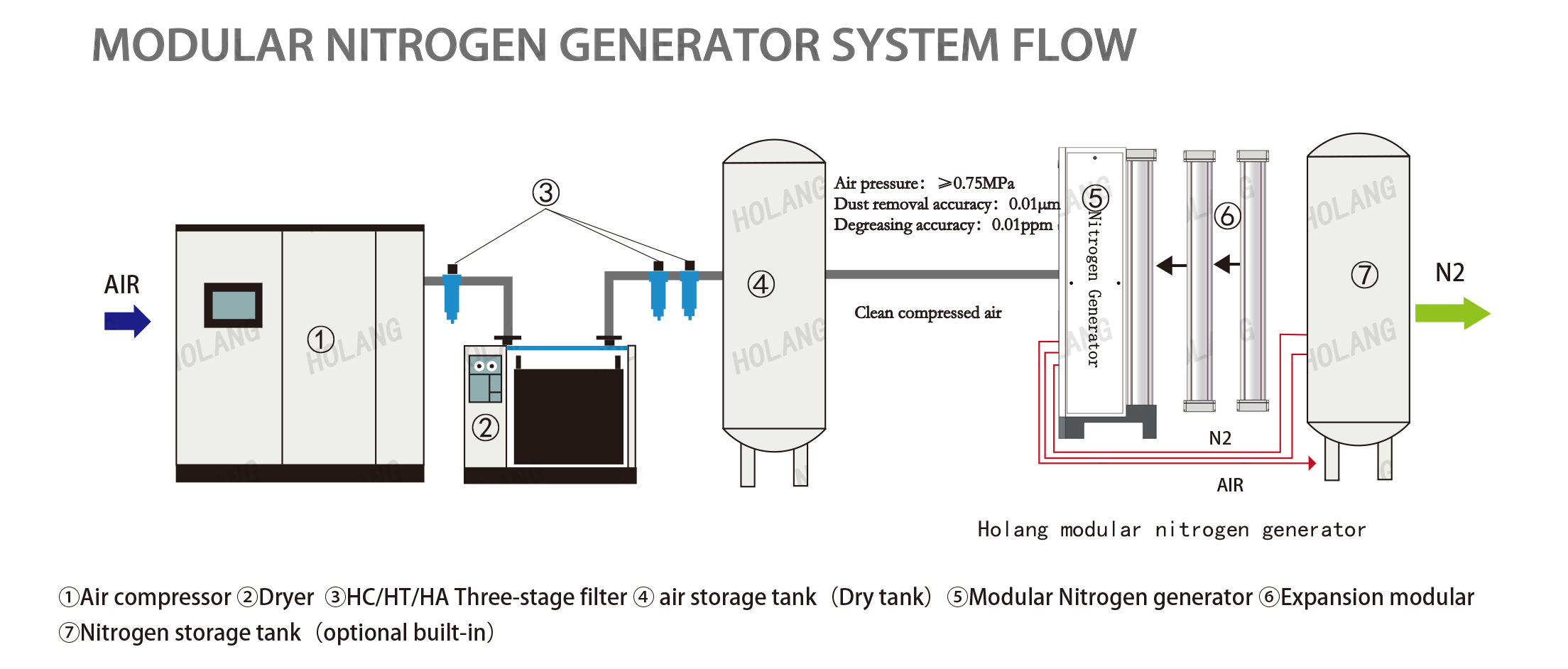
- Lower long-term operating cost
- On-site generation without supply dependency
- Suitable for continuous production
Liquid Nitrogen:
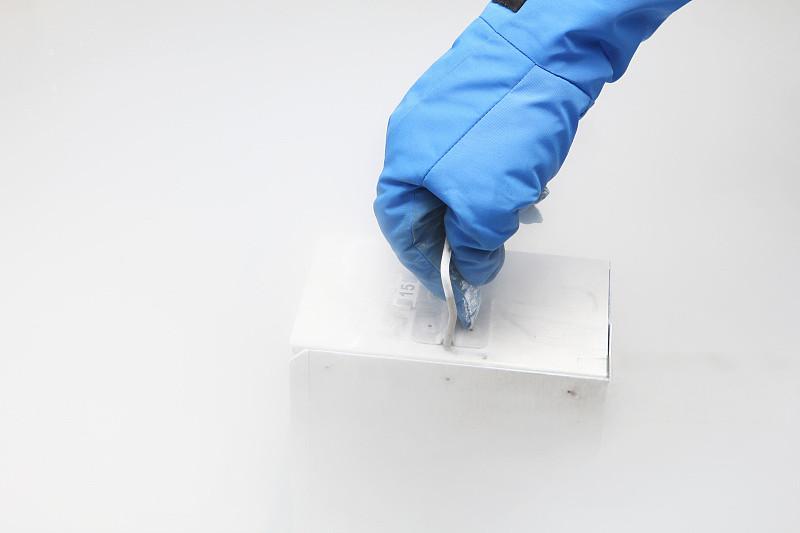
- High purity
- Suitable for intermittent demand
- Dependent on external supply
For most SMT factories with continuous production, PSA systems offer better control over cost and supply stability.
6. Can one nitrogen system support multiple SMT lines?
Answer:
Yes, but it requires proper system design.
Key considerations include:
- Total flow demand
- Pressure distribution
- Buffer capacity
- Redundancy
Improper design can lead to instability across multiple production lines simultaneously.
7. Why does system performance decline after expansion?
Answer:
This is typically caused by:
- Insufficient compressed air capacity
- No design margin in the original system
- Total load exceeding system capacity
Modular systems allow expansion, but only if the entire system is designed with scalability in mind.
8. How to ensure long-term stable nitrogen supply?
Answer:
Key factors include:
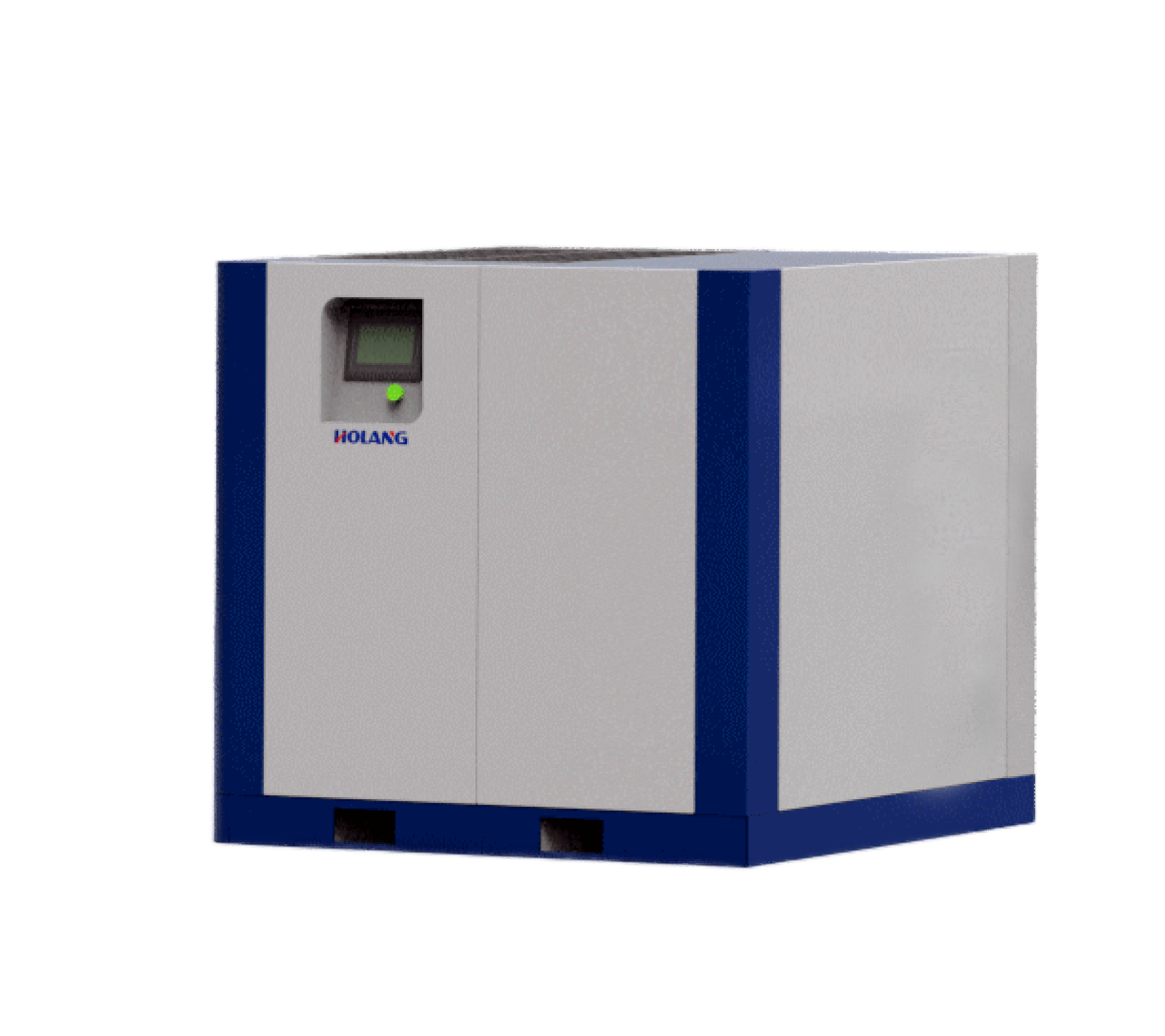
- Stable compressed air supply (clean, dry, oil-free)
- Proper buffer tank configuration
- Adequate design margin
- Reliable control system
Among these, the compressed air system is often the most overlooked, yet it plays a critical role in overall stability.
Conclusion
In SMT applications, nitrogen is not just a supporting gas, but an integral part of process control.
Instead of focusing solely on individual parameters, it is essential to consider overall system design and long-term operational stability.
Nitrogen Solution for SMT
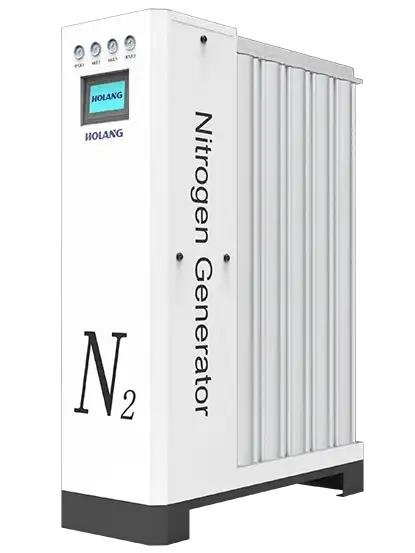
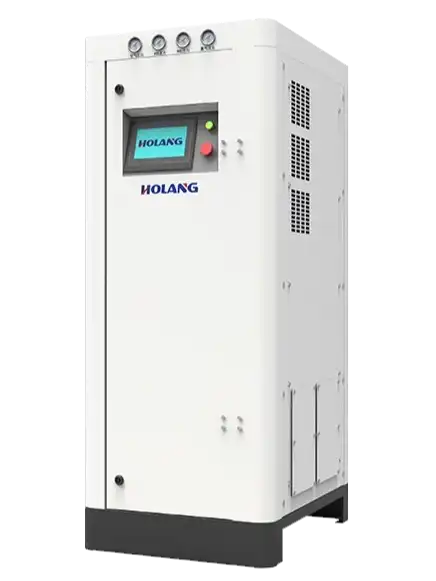
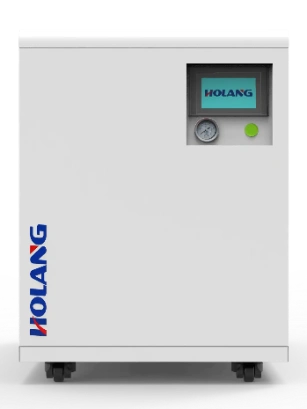
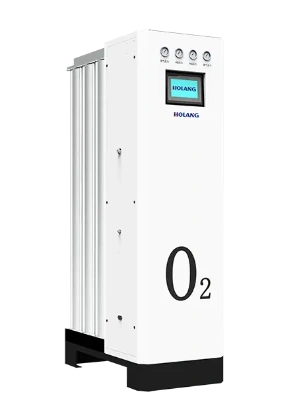
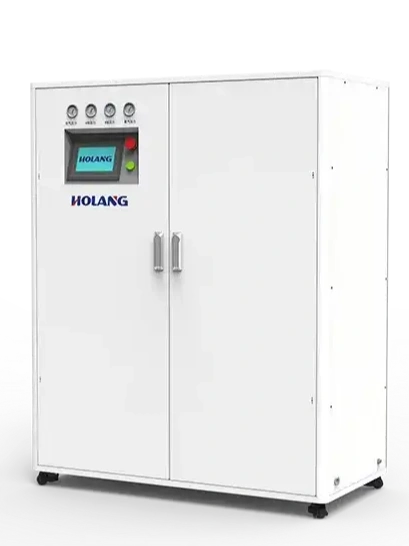
HOLANG modular nitrogen generators (NPL series) are designed to provide:
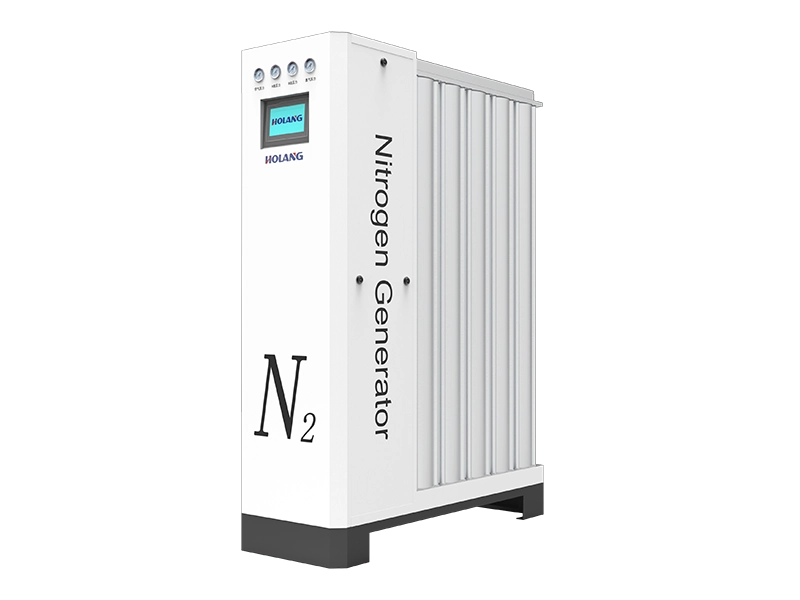
- Stable oxygen control
- Flexible expansion capability
- Reliable long-term nitrogen supply
📩 More Information
- Website: www.holanggas.com
- Email: marketing@holangchina.com
- Tel: +86-400-0512-711