


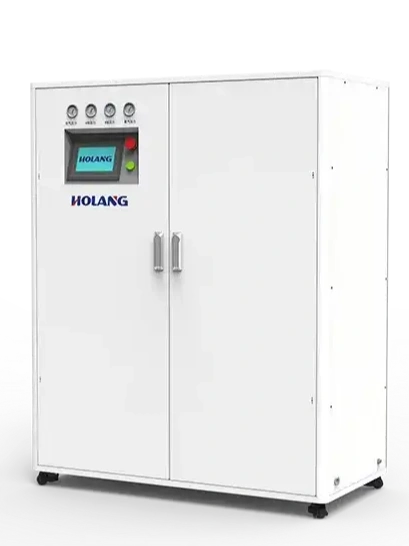
In the manufacturing industry, nitrogen is often referred to as "industrial MSG" due to its widespread application in electronics, chemicals, new materials, and metal processing. For a company, moving from initial R&D and trial production to large-scale stable operation involves a capacity ramp-up that necessitates an evolution in the nitrogen supply mode—transitioning from "buying gas" to "generating gas."
Many enterprise managers discover a hard truth: The gas supply method that worked well during trial production becomes a "cost black hole" and a safety hazard during mass production.
Today, let’s review the inevitable path of nitrogen supply methods across different stages of enterprise development.
Phase 1: R&D and Trial Production (Stage 0-1)
Keywords: Flexible, Low Investment, High Unit Price
During the startup, lab research, or small-batch trial production phase, gas usage is typically low and discontinuous. At this stage, the enterprise’s primary demands are "Speed" and "Asset-Light."
-
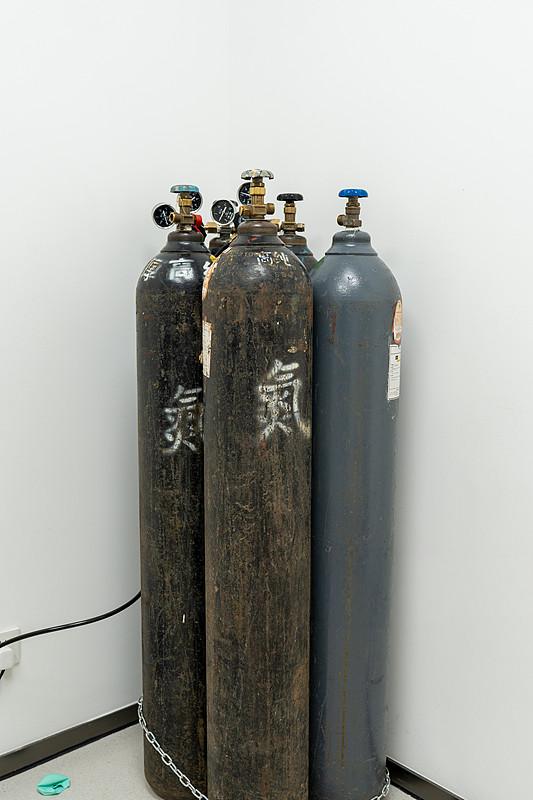
Mainstream Methods: High-pressure Gas Cylinders or Dewars (Liquid Cylinders).
-
Advantages: No need to purchase large equipment or install complex piping. It offers on-call delivery, rental-based settlement, and extremely high flexibility.
-
Pain Points:
-
Extremely High Unit Price: The unit cost of cylinder gas is typically 10-50 times that of self-generated nitrogen.
-
Frequent Cylinder Changes: As trial production frequency increases, workers must frequently move and replace cylinders. This not only disrupts the production rhythm but also introduces safety risks associated with handling high-pressure gas.
-
Residual Waste: Cylinders generally cannot be completely emptied; a residual gas loss of 10%-15% is standard.
-
Phase 2: Capacity Ramp-up and Early Mass Production (Stage 1-10)
Keywords: Usage Surge, Logistic Dependence, Cost Sensitivity
When an enterprise enters formal mass production with production lines running 24 hours a day, gas usage rises exponentially. At this point, the originally "flexible" bottled gas becomes a "burden," and the enterprise begins to seek a more stable supply.
-
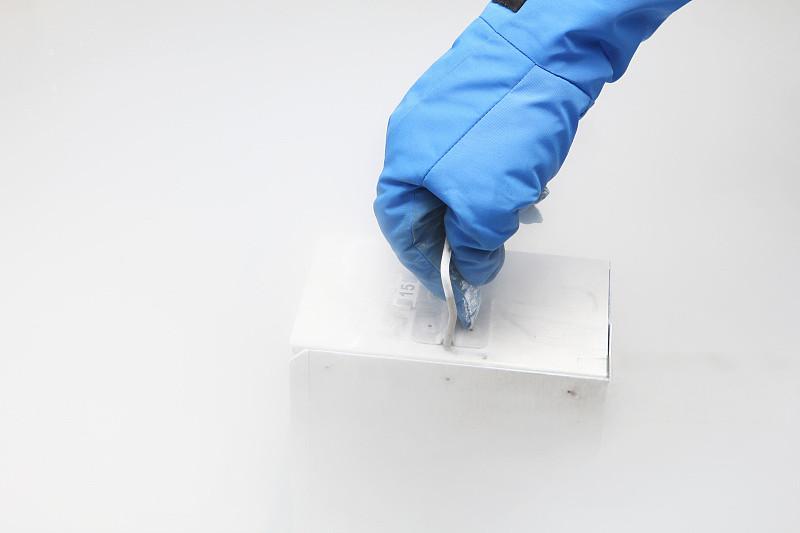
Mainstream Method: Bulk Liquid Nitrogen (LIN) Tank Centralized Supply.
-
The Change: The enterprise installs large liquid nitrogen storage tanks on-site. Gas companies deliver liquid nitrogen via tankers, which is then converted to gas through a vaporizer and fed into the workshop pipelines.
-
Advantages: Solves the trouble of frequent cylinder changes, provides a relatively stable gas source, and can handle instantaneous high-flow impacts.
-
Pain Points:
-
Held Hostage by Logistics: Highly dependent on the gas company's logistics and delivery. In cases of severe weather, traffic control, or supplier price hikes, the production line faces the risk of a "gas outage."
-
Passive Loss: Liquid nitrogen tanks have a natural evaporation rate (Boil-off Gas/BOG). Even when no gas is used, approximately 0.5%-1% of the liquid nitrogen evaporates daily.
-
Energy Waste: Liquid nitrogen is obtained from cryogenic air separation. The vaporization process wastes huge amounts of cold energy, and the cost of purchasing liquid is still heavily affected by market fluctuations.
-
Phase 3: Stable Operations and Lean Management (Stage 10-N)
Keywords: Autonomous & Controllable, Ultimate Cost Efficiency, Intelligent
When an enterprise enters the mature operation period, cost reduction and efficiency enhancement become core topics. Managers start to calculate the details: Why do we spend millions annually buying gas? Why can't we produce it ourselves? At this point, On-site Nitrogen Generation becomes the optimal solution.
-
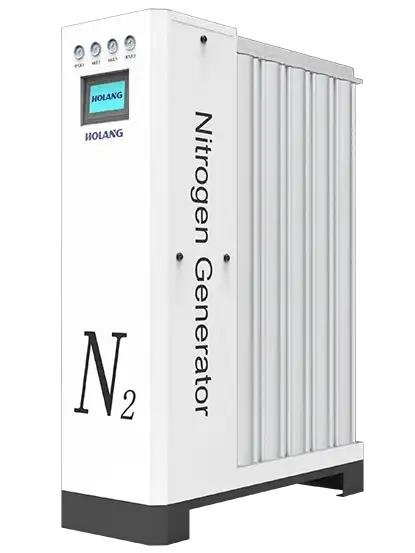
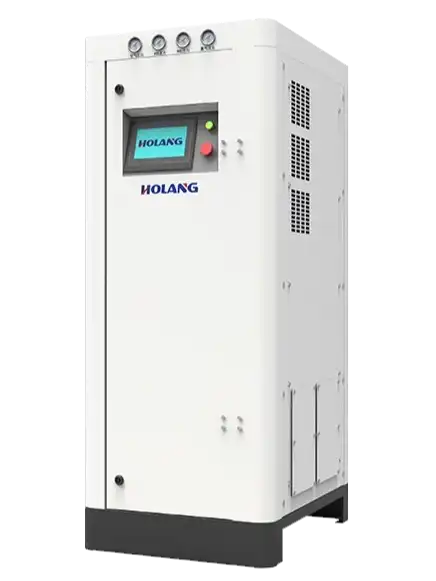
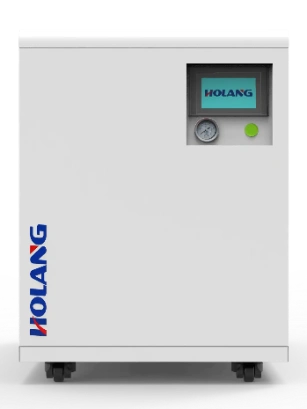
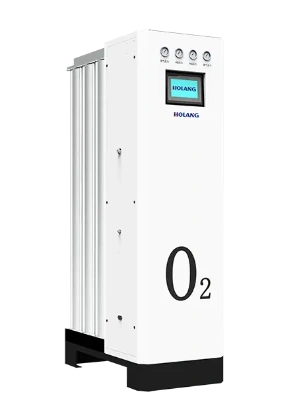
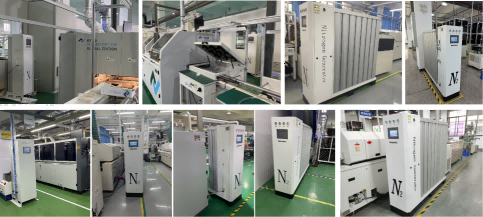
Mainstream Methods: PSA (Pressure Swing Adsorption) Nitrogen Generators or Membrane Separation Nitrogen Systems.
-
Core Logic: Replacing gas with electricity. Using air as the raw material, nitrogen is directly separated through physical methods.
-
Fundamental Transformation:
-
Drastic Cost Reduction: Excluding equipment depreciation and electricity fees, the cost per cubic meter of nitrogen is only 20%-30% of liquid nitrogen. The ROI (Return on Investment) is typically achieved within 1-2 years.
-
Autonomous and Controllable: As long as there is power, there is gas. It completely eliminates dependence on external suppliers and logistics, removing worries about price hikes and supply cuts.
-
Production on Demand: Modern nitrogen generators feature intelligent start-stop and flow regulation functions—producing exactly what is needed, with no transport or evaporation losses.
-
Safety Upgrade: Compared to high-pressure cylinders and cryogenic liquid nitrogen, room-temperature, low-pressure nitrogen generators run safer and require no special equipment supervision.
-
Conclusion: Upgrading the Supply Mode is Essentially Upgrading Management Mindset
From "Cylinders/Dewars" to "Liquid Nitrogen Tanks," and finally to "On-site Nitrogen Generators," this is not just an equipment replacement; it is a leap for the enterprise from extensive management to lean management.
-
If you are still anxious about frequently moving steel cylinders, it means your production scale has exceeded your current supply capability.
-
If you feel the pain of high liquid nitrogen bills every month, it means you have reached the optimal window to switch to "On-site Nitrogen Generation."
HOLANG Technology is dedicated to providing customized gas solutions for enterprises at different stages of development. Whether it is the transition from trial to mass production or the energy-saving retrofitting of old production lines, we can help you find that "optimal balance point" between cost and efficiency.