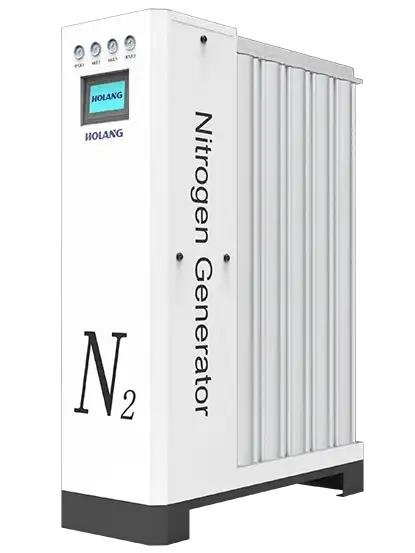
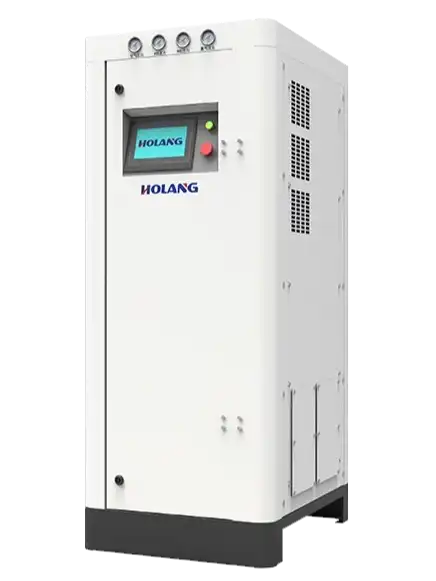
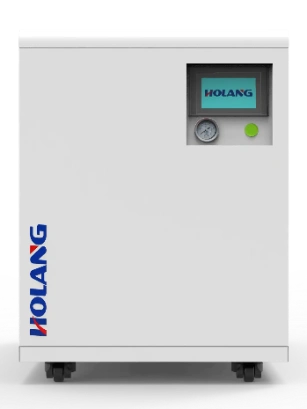



During the planning stage of a nitrogen generator project, many discussions are not centered on the equipment itself. More often, the same set of parameters is reviewed repeatedly and even adjusted at different stages. This is not necessarily due to incorrect information, but because many production conditions are not fully defined at the early stage of planning.
Gas usage patterns, operating rhythms, and future changes usually become clearer only as the project progresses. As a result, nitrogen generator selection in the early phase is often a series of questions that require further confirmation, rather than a calculation that can be completed once. The following topics are therefore frequently revisited during technical discussions.
1. Equipment Nitrogen Consumption Usually Requires Context Confirmation
During initial discussions, customers often provide the nominal nitrogen consumption specified by the equipment manufacturer. This value itself is not problematic, but it is commonly followed by additional clarification, such as:
-
Whether the consumption refers to single-machine operation or multiple machines running in parallel
-
Whether start-up, shutdown, or process changeover conditions are included
-
Whether this operating condition is maintained consistently during actual production
These confirmations are not intended to challenge the data, but to clarify the conditions under which the value is valid.
2. Whether Multiple Machines Operate Simultaneously Often Needs Clarification
At the planning stage, the number of machines is usually clear. However, whether they operate at the same time is not always well defined.
Common situations discussed include:
-
Theoretically staggered operation, but parallel operation during peak production periods
-
Equipment that does not normally run simultaneously, but must do so during certain process steps
-
Uncertainty about whether future equipment additions will operate concurrently with existing lines
For this reason, “simultaneous operation” is often revisited multiple times during capacity discussions.
3. Purity Requirements Are Often Fixed Early in the Planning Stage
Purity is typically one of the earliest parameters to be finalized. In many projects, the process follows a similar pattern:
-
The process defines a minimum purity requirement
-
The planning stage increases the value conservatively for safety
-
The final figure is written directly into the configuration
This approach is common during planning. However, its impact on system capacity usually becomes apparent only after the system is in operation.
4. Downstream Piping and Point-of-Use Information Is Often Incomplete Early On
During selection, discussions tend to focus on the nitrogen generator itself. Information about the downstream system is often supplemented later, including:
-
Actual piping length
-
Elbows, valves, and filter configurations
-
The number of points drawing nitrogen simultaneously
These details are not always available at the early planning stage, but they are ultimately reflected in real operating pressure and flow performance once the system is running.
5. “Future Expansion” Is Frequently Mentioned, While Details Continue to Change
In planning discussions, “possible future expansion” is almost always mentioned. However, answers to the following questions often remain fluid:
-
Expansion scale
-
Implementation timing
-
Whether purity or pressure requirements will change
As a result, this part of the plan usually exists only as an assumption during the early stage.
In many projects, nitrogen system selection is not finalized once and for all during the planning phase. More often, as the project advances and operating conditions become clearer, these early questions that required repeated confirmation gradually receive more definitive answers.
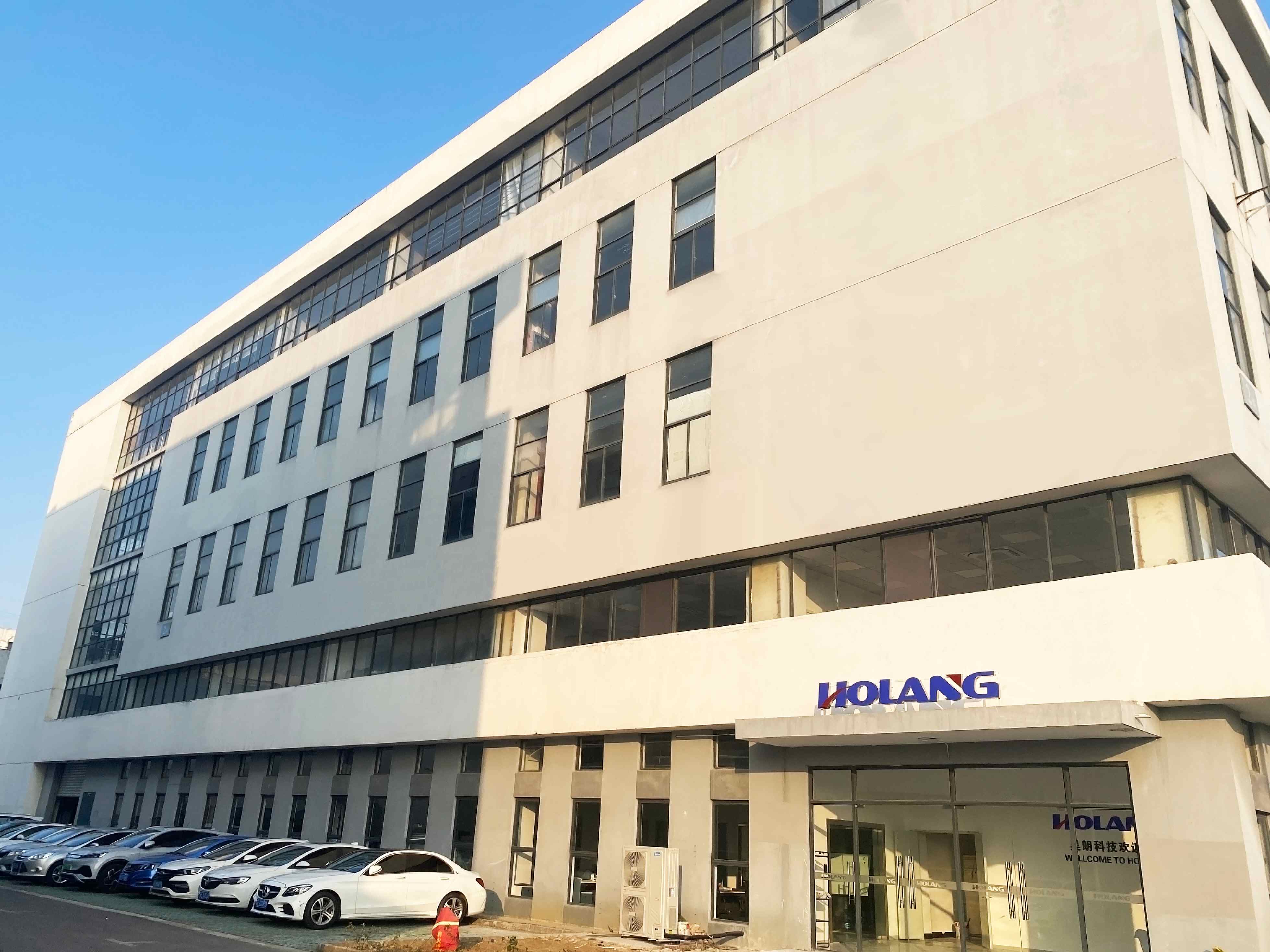
Holang Tech (Suzhou) Co., Ltd. is committed to providing customized gas solutions for enterprises at different stages of development. Whether supporting the transition from pilot production to mass production, or optimizing energy efficiency in existing production lines, we work with our customers to find the optimal balance between cost and efficiency.