


How to Choose a Nitrogen Supply for SMT Reflow Soldering: Cylinders, Liquid Nitrogen, or On-Site Generation?
There is no single nitrogen supply method suitable for every SMT reflow soldering line.
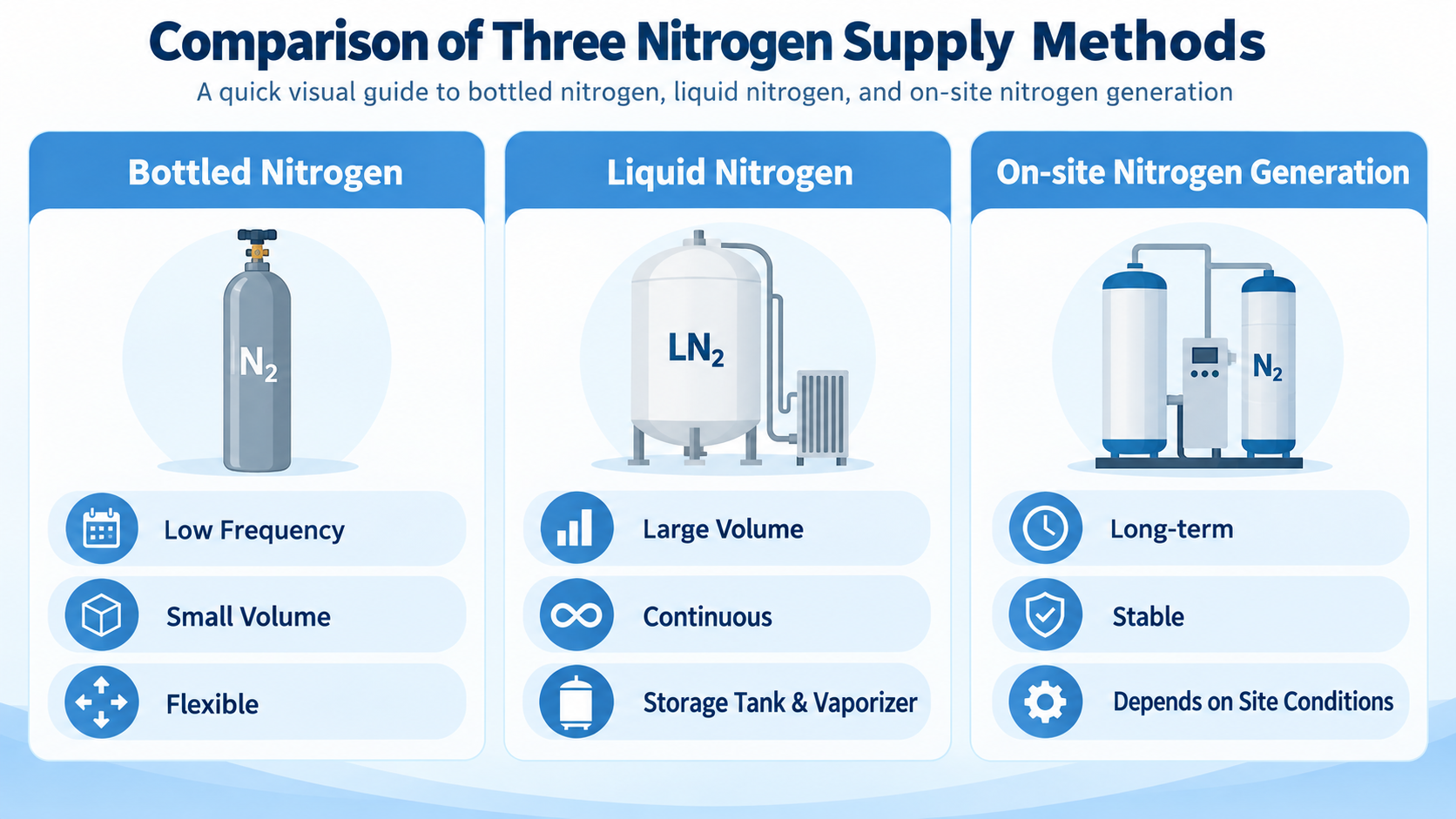
Nitrogen cylinders may be considered for trial production, temporary operations, or lines with low consumption. Factories with higher and more continuous demand may compare liquid nitrogen if they have suitable storage, vaporization, and site-management conditions. Production lines that use nitrogen continuously over the long term may evaluate on-site nitrogen generation if compressed air, power, installation space, and other utilities are available.
The right choice depends on more than the unit price of nitrogen. Peak flow rate, process specifications, operating hours, site conditions, backup supply, and long-term operating costs should all be considered.
What Are the Differences Between Nitrogen Cylinders, Liquid Nitrogen, and On-Site Nitrogen Generation?
| Supply method | Situations in which it may be evaluated first | Key points to confirm before purchasing | Commonly overlooked issues |
|---|---|---|---|
| Nitrogen cylinders | Trial production, temporary use, low consumption, or uncertain long-term demand | Cylinder replacement frequency, storage location, supply pressure, and delivery schedule | Frequent cylinder changes, internal handling, backup inventory, and supply interruption risks |
| Liquid nitrogen | High-volume, continuous consumption where suitable storage, vaporization, and management conditions are available | Storage tank and vaporizer, delivery schedule, fluctuations in demand, backup plan, and site-management requirements | Comparing only the purchase price of liquid nitrogen while overlooking storage, supporting facilities, and management costs |
| On-site nitrogen generation | Long-term, repeated, or continuous consumption where the required utilities are available | Peak flow rate, purity or oxygen level, pressure, dew point, compressed air, maintenance, and backup supply | Undersizing the system and failing to meet peak demand, or considering only the generator purchase price rather than total system cost |
These three methods do not always have to be used separately.
For production lines where a nitrogen interruption would affect output, a combined solution—such as on-site nitrogen generation as the primary source and an external source as backup—may be considered. Whether backup is necessary, and how much backup capacity is required, should be determined by the consequences of an interruption, the maintenance approach, and the factory’s production-continuity requirements.
Why Should Purity Not Be the Only Selection Criterion?
Higher nitrogen purity is not automatically better. In reflow soldering, the priority is to meet the actual process requirement and maintain stable gas conditions throughout production.
As the required purity increases, the effective nitrogen output, compressed-air demand, and operating cost may also change. The exact relationship depends on the generation technology, system configuration, and operating method.
For this reason, asking only, “What is the highest purity this system can produce?” is not enough to select a suitable solution. A better approach is to confirm the acceptable oxygen concentration and stability requirements of the reflow process first, and then compare supply options capable of meeting those conditions.
Before selecting a system, confirm at least the following:
-
The models and quantities of the reflow ovens;
-
The oxygen concentration or nitrogen purity required by the equipment manufacturer or process documents;
-
The required nitrogen inlet pressure, dew point, and cleanliness;
-
The peak consumption of each oven, each production line, and all lines combined;
-
Daily shifts, continuous operating hours, and production fluctuations;
-
Current consumption, delivery frequency, and costs for cylinders or liquid nitrogen;
-
Available compressed air, power supply, ventilation, piping, and installation space;
-
The effect of a nitrogen interruption and the required backup arrangement.
If flow-rate data is not yet available, check the reflow oven manual or ask the equipment manufacturer for the nitrogen connection parameters and recommended gas conditions. Data from another factory should not be used as a direct substitute, because different oven models, process settings, and operating patterns may result in different nitrogen demand.
Use the Same Cost Boundary When Comparing Options
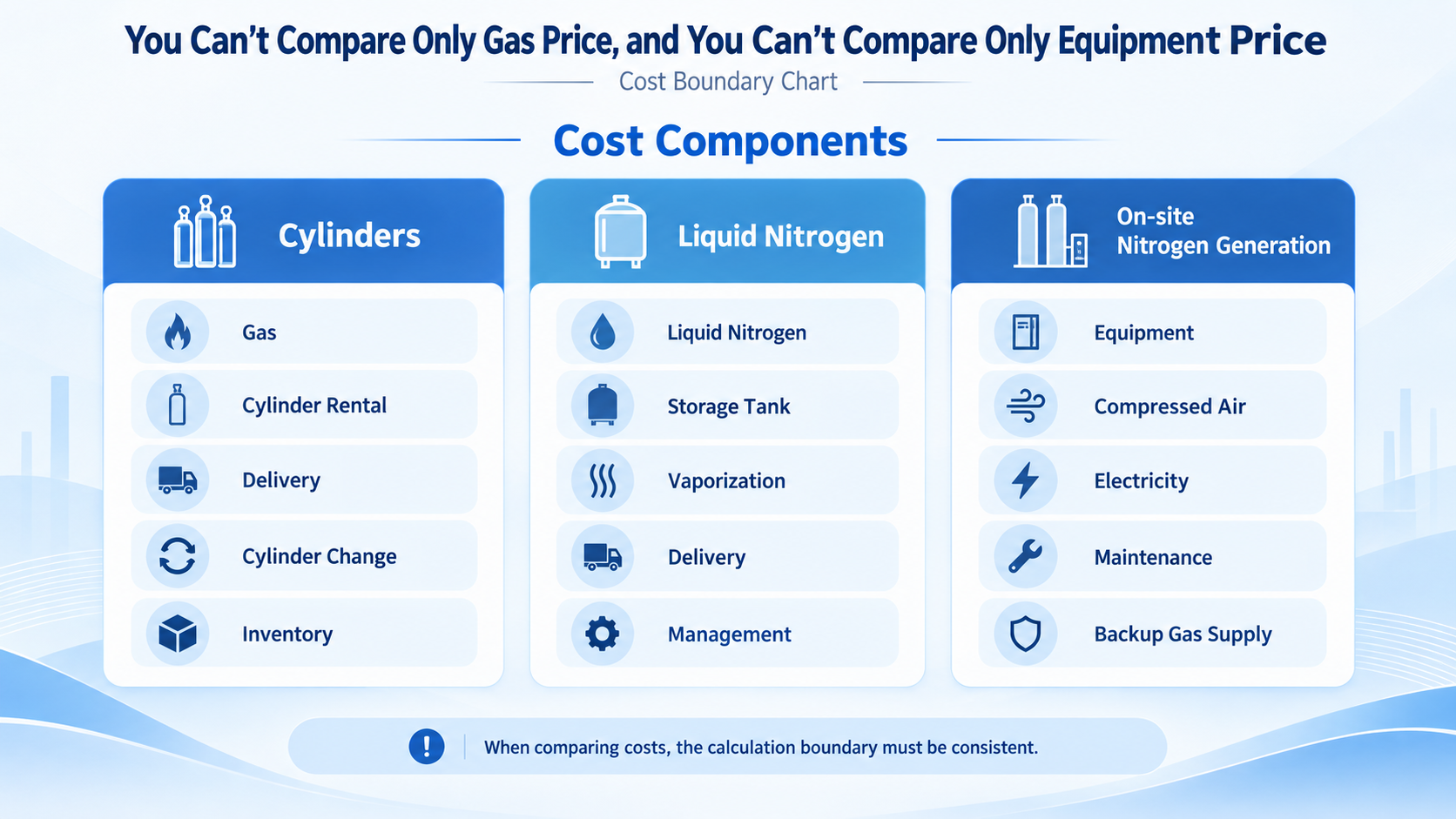
A comparison among nitrogen cylinders, liquid nitrogen, and on-site generation should not be based only on the gas price or equipment purchase price.
The annual cost of cylinder supply may include the nitrogen itself, cylinder rental, delivery, replacement, internal handling, inventory management, and backup stock.
The annual cost of liquid nitrogen should be assessed together with storage, vaporization, delivery, supporting infrastructure, and site-management requirements.
The annual cost of on-site nitrogen generation should include the nitrogen generator and supporting equipment, compressed air and air treatment, electricity, maintenance, consumables, and any required backup supply.
A cost comparison is meaningful only when all options are assessed using the same operating hours, nitrogen specification, and delivered gas volume.
If actual consumption data is unavailable, the supply methods and their applicable conditions can still be compared. However, a specific saving percentage should not be promised without supporting operating data.
When Can the NPL Series Be Considered?
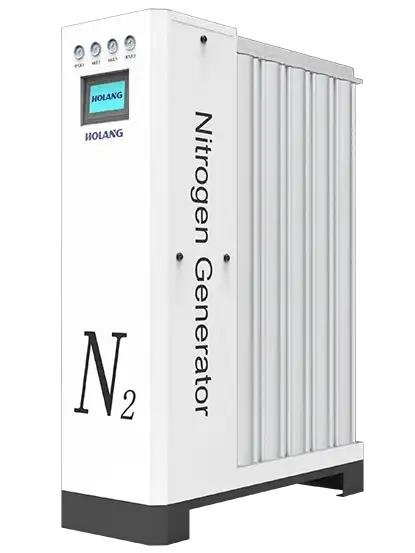
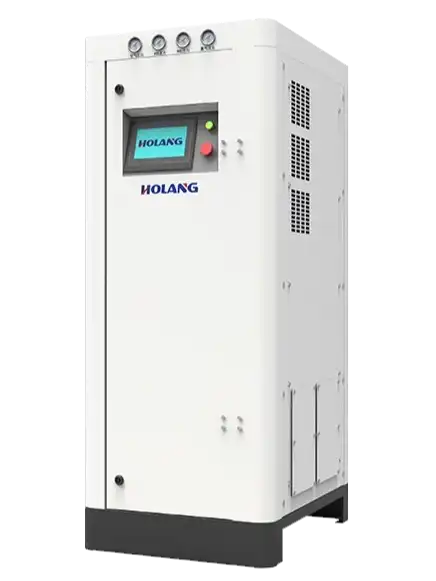
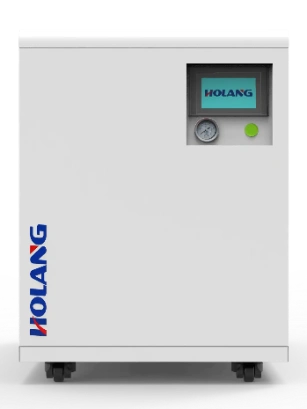
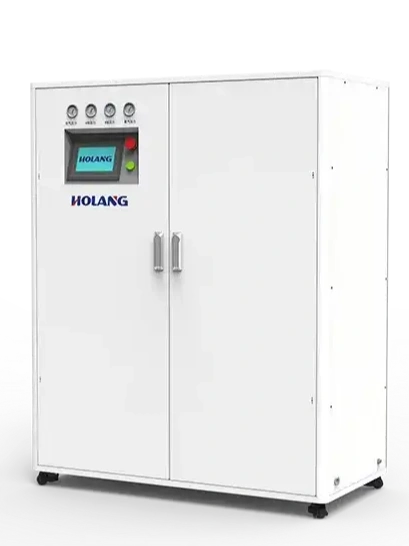
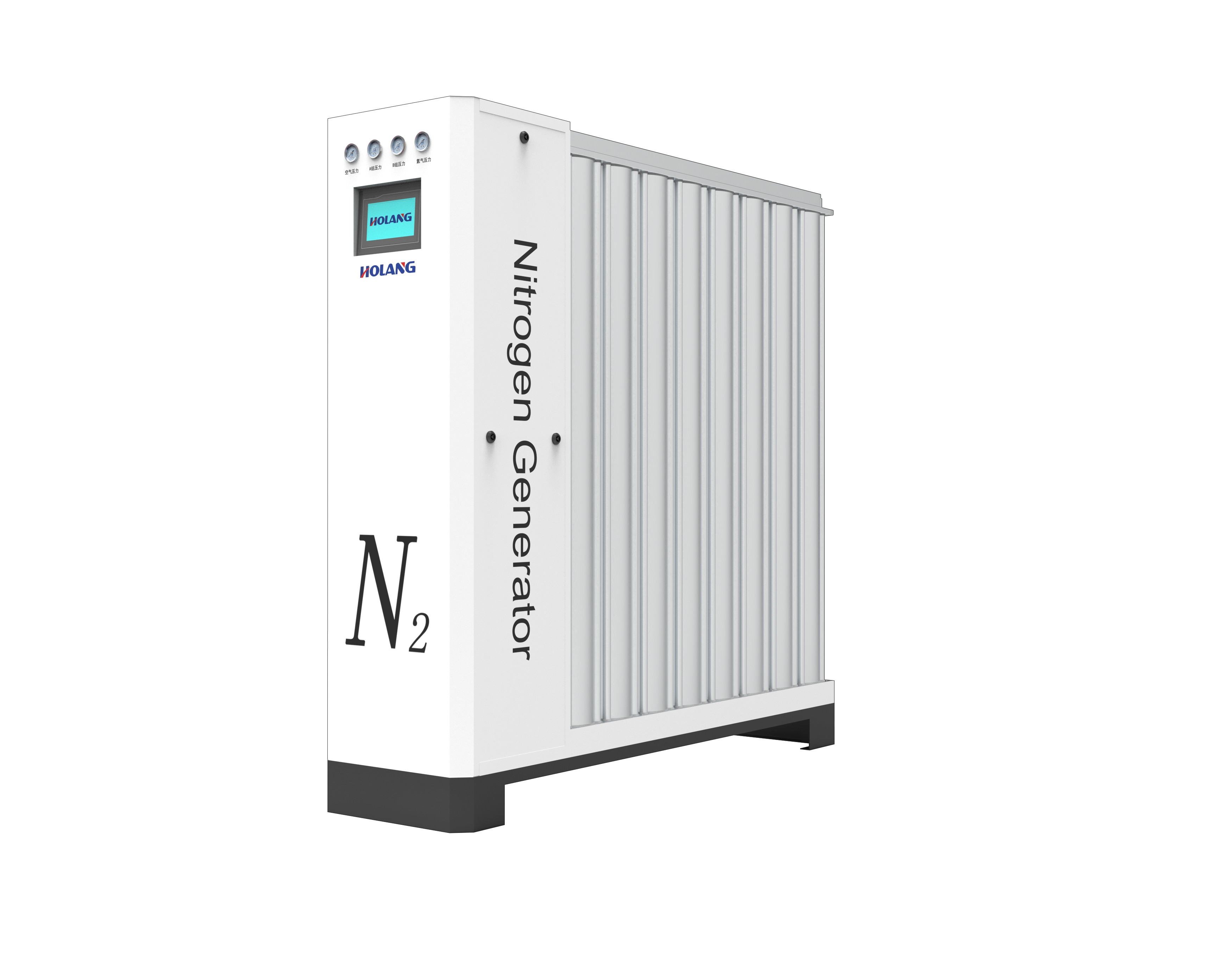
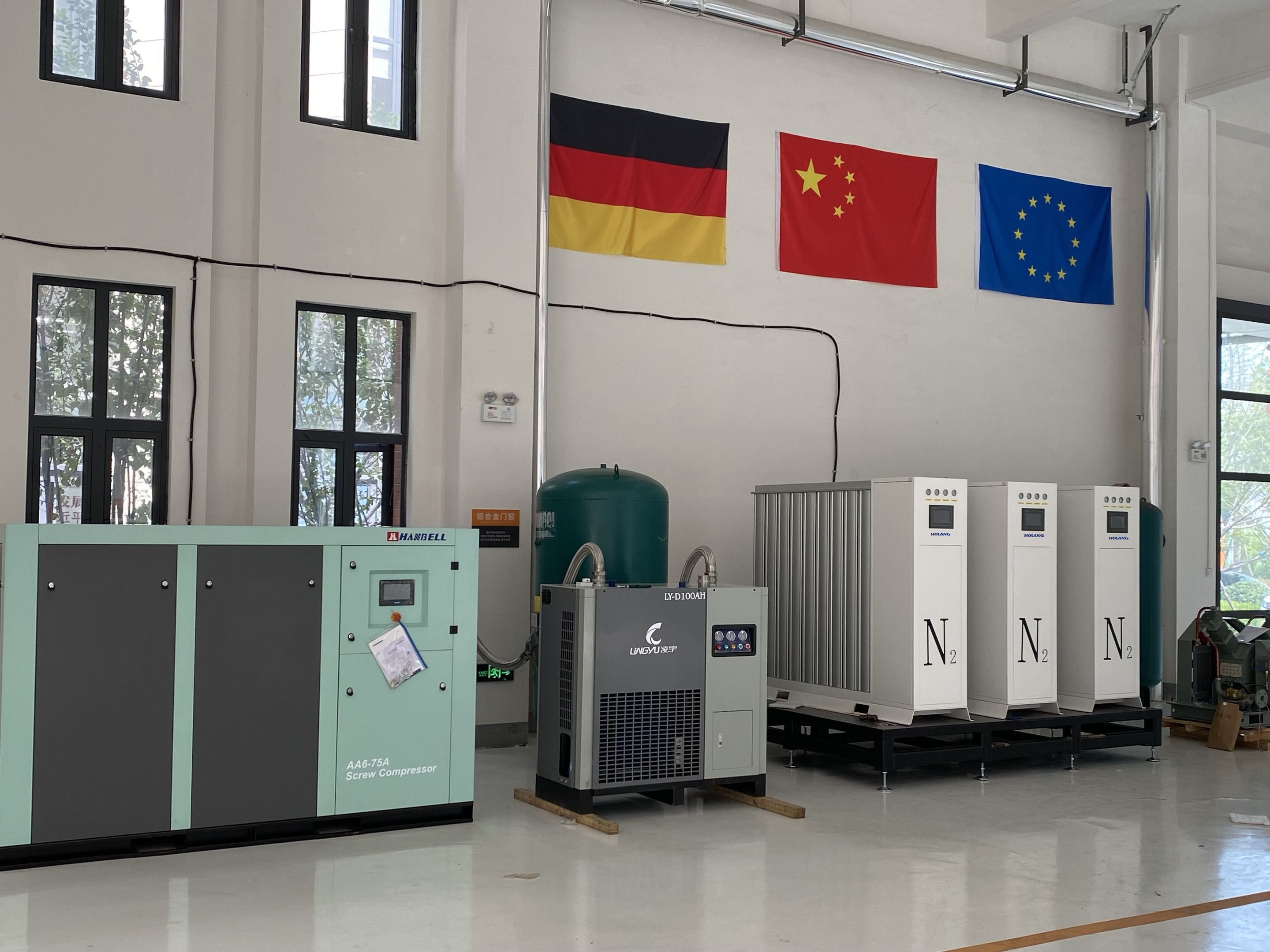
A modular nitrogen generator may be included among the candidate solutions when nitrogen is used over the long term, production lines operate for extended periods, the factory wants to reduce dependence on external deliveries, and additional lines may be added in the future.
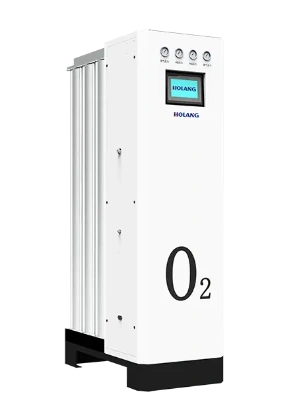
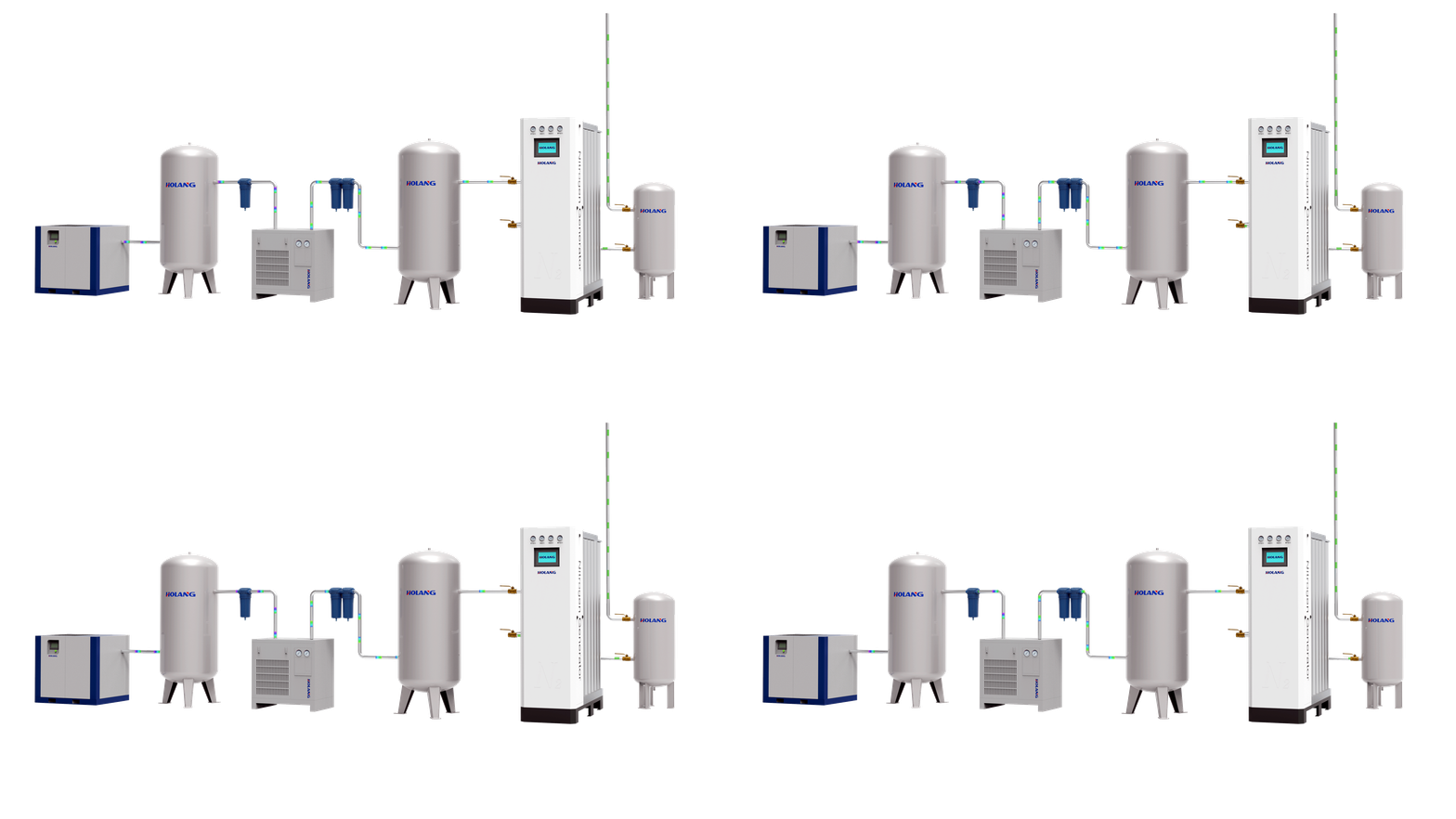
According to HOLANG’s published NPL Series product information, the series uses pressure swing adsorption technology. Its published nitrogen purity range is 95% to 99.999%. The system also uses an independent modular structure designed to support maintenance and future upgrades. The product page lists operating conditions including compressed-air quality, inlet pressure, and ambient requirements.
These published specifications can help define the initial product boundaries, but they do not replace application-specific system selection.
For SMT reflow soldering, the configuration still needs to be determined according to peak flow rate, oxygen concentration or purity requirement, inlet pressure, dew point, compressed-air conditions, operating hours, and future expansion plans. The actual capacity of each model should be confirmed using the relevant specification sheet and technical selection results.
On-site nitrogen generation also involves more than placing a generator in the workshop. A complete solution normally requires verification of the air source, electrical supply, air treatment, piping, installation, commissioning, and backup arrangement.
When Should a Factory Avoid Rushing into an On-Site Nitrogen Purchase?
If any of the following information remains unclear, it is advisable to collect the necessary data before deciding whether to purchase an on-site nitrogen system:
-
The actual nitrogen consumption of the reflow ovens is unknown;
-
The required oxygen concentration, pressure, or dew point at the equipment inlet is unknown;
-
Production is still at the short-term trial stage and nitrogen is used infrequently;
-
Suitable compressed air or installation conditions are not available;
-
No backup plan has been considered for maintenance or equipment downtime;
-
The decision is based only on the equipment purchase price;
-
Future production-line quantities and nitrogen demand remain highly uncertain.
Clarifying these questions is usually more important than comparing suppliers or equipment models too early.
Frequently Asked Questions
Can a single SMT production line use on-site nitrogen generation?
Possibly, but the number of lines alone is not enough to make the decision.
The reflow oven model, operating hours, peak flow rate, process specifications, site conditions, and future expansion plan should also be considered. If consumption is low or production is irregular, the equipment investment should be compared with the long-term cost of externally supplied nitrogen.
Is a backup nitrogen supply still necessary after installing an on-site system?
Not always.
The decision should be based on how an interruption would affect production, how the equipment will be maintained, and the factory’s production-continuity requirements. For lines where an interruption would result in significant losses, cylinders, liquid nitrogen, or another suitable source may be evaluated as backup.
Does higher nitrogen purity always improve soldering results?
No.
Reflow soldering requires nitrogen that meets the process specification and remains stable. Purity beyond the actual process requirement may increase the load and operating cost of the supply system without continuing to improve soldering results. The required specification should be based on the equipment manufacturer’s requirements, process documents, and on-site validation.
Does on-site nitrogen generation require only a nitrogen generator?
No.
Compressed-air quality and pressure, air treatment, power supply, piping, installation space, ventilation, commissioning, and backup supply should also be checked. The generator’s electrical rating should not be treated as the total energy consumption of the complete gas-supply system.
What information is needed for an initial assessment?
Prepare the following information:
-
Reflow oven models and quantities;
-
Number of production lines and operating shifts;
-
Required oxygen concentration or nitrogen purity;
-
Required inlet pressure, dew point, and cleanliness;
-
Peak consumption of each oven and all lines combined;
-
Current supply method, consumption frequency, and related costs;
-
Available compressed air, power, piping, and installation space;
-
Future expansion plans and backup-supply requirements.
If key parameters are incomplete, collect the missing data before estimating an equipment model.
To compare nitrogen cylinders, liquid nitrogen, and on-site nitrogen generation, submit the above operating information to HOLANG for a technical review of your gas demand and site conditions.
Service hotline: 400-0512-711