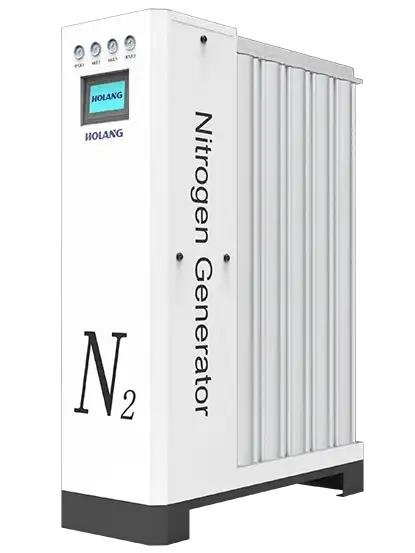
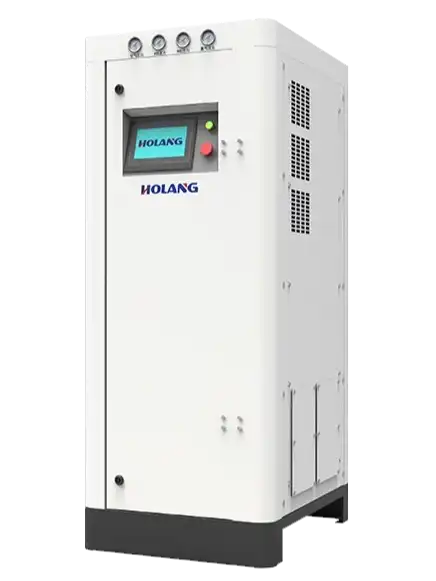
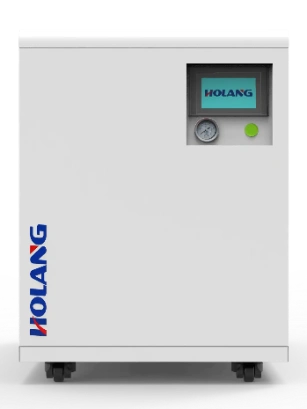



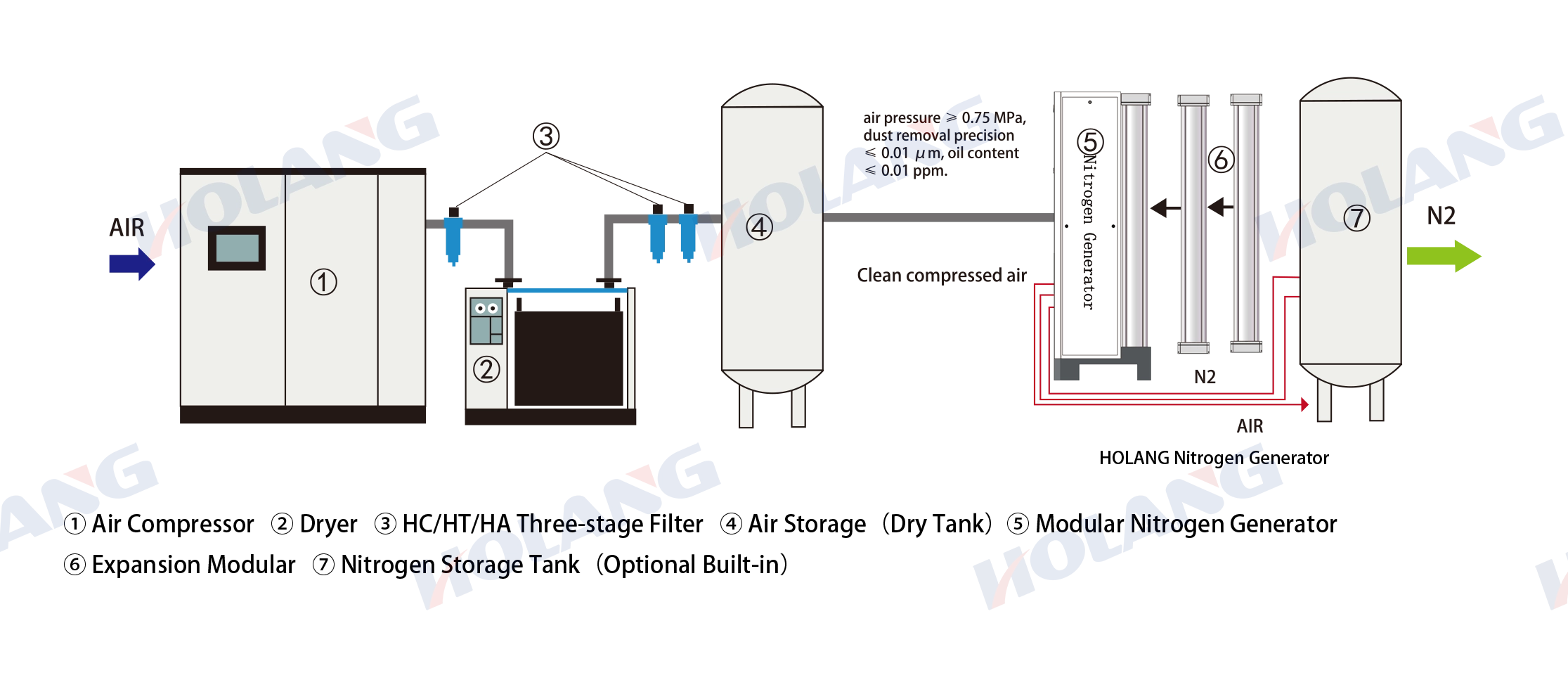
In industrial nitrogen supply applications, a complete nitrogen generation system usually consists of an air compressor, air dryer, filtration system, air receiver tank, and nitrogen generator.
Among these components, the nitrogen generator is the core unit responsible for separating nitrogen from compressed air. However, in practical projects, the configuration of the upstream air treatment system often becomes a key consideration.
Can compressed air enter the nitrogen generator directly?Why are dryers, filters, and storage tanks required? Although these components may appear to be supporting equipment, they play an important role in maintaining nitrogen generator performance and ensuring long-term system stability.
1. What Conditions Does Compressed Air Need Before Entering a Nitrogen Generator? 💨
The raw material for nitrogen generation is air. However, the air used in industrial applications does not directly come from the atmosphere. It first passes through an air compressor, where the pressure is increased and compressed air is generated.
During the compression process, certain substances may remain in the compressed air, including:
- Moisture;
- Oil mist;
- Solid particles;
- Contaminants from pipelines.
If these impurities are not properly treated, they may enter the nitrogen generation unit together with the compressed air. Therefore, before compressed air enters the nitrogen generator, it usually needs to go through air drying and filtration processes to provide a cleaner and more stable air source for nitrogen separation.
2. Air Drying System: Removing Moisture from Compressed Air 💧
Moisture is one of the most common challenges in industrial compressed air systems. After air is compressed, the water vapor contained in the air may condense due to pressure and temperature changes, creating liquid water inside the system.
If moisture is not effectively removed before entering the nitrogen generator, it may affect:
Adsorption System Performance
In PSA nitrogen generation, adsorption materials need to operate under stable conditions. Excessive moisture can increase the load on adsorbents and affect the efficiency of oxygen and nitrogen separation.
Long-Term Equipment Operation
Continuous exposure to moisture may increase:
- Adsorbent workload;
- Valve operating stress;
- Maintenance frequency.
Therefore, the main purpose of the drying system is to provide stable compressed air conditions for the nitrogen generation process.
3. Filtration System: Controlling Oil and Particle Contaminants 🛢️
Besides moisture, compressed air may also contain:
- Oil mist generated by the air compressor;
- Dust particles from the environment;
- Contaminants inside pipelines.
If these substances enter the nitrogen generator, they may affect:
- Valve operation;
- Internal cleanliness of the system;
- Adsorption performance.
Through different filtration grades, the filtration system removes contaminants step by step and reduces the impact on the nitrogen generation unit.
Depending on the application requirements, filtration configurations may include:
- Pre-filtration;
- Fine filtration;
- Oil removal filtration;
- Activated carbon filtration.
The specific configuration should be selected according to the air compressor type, compressed air quality, and nitrogen application requirements.
4. Different Applications Require Different Nitrogen Supply Configurations 🔍
In actual projects, every customer site has different operating conditions. Therefore, the nitrogen generation system needs to be designed according to the specific requirements.
For customers with existing compressed air systems, the following parameters need to be evaluated:
- Air compressor capacity;
- Operating pressure;
- Compressed air quality;
- Existing filtration and drying equipment.
For new nitrogen supply projects, the complete system may include:
- Air compressor;
- Air dryer;
- Filtration system;
- Air storage tank;
- Nitrogen generator.
The goal of system design is not simply to add more equipment, but to ensure each component works together efficiently and provides a reliable nitrogen supply.
HOLANG: Complete Nitrogen Supply Solutions
In practical projects, HOLANG evaluates each customer's application requirements and site conditions to design a suitable nitrogen supply solution.
The evaluation process includes:
- Nitrogen flow requirement;
- Required nitrogen purity;
- Operating pressure;
- Operation mode;
- Existing air source conditions.
Based on different application scenarios, HOLANG provides multiple nitrogen generator solutions:
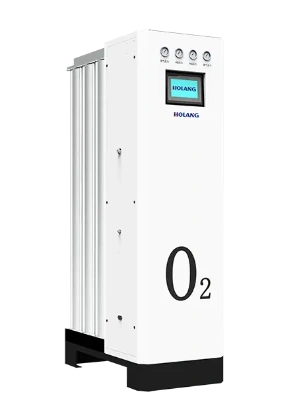
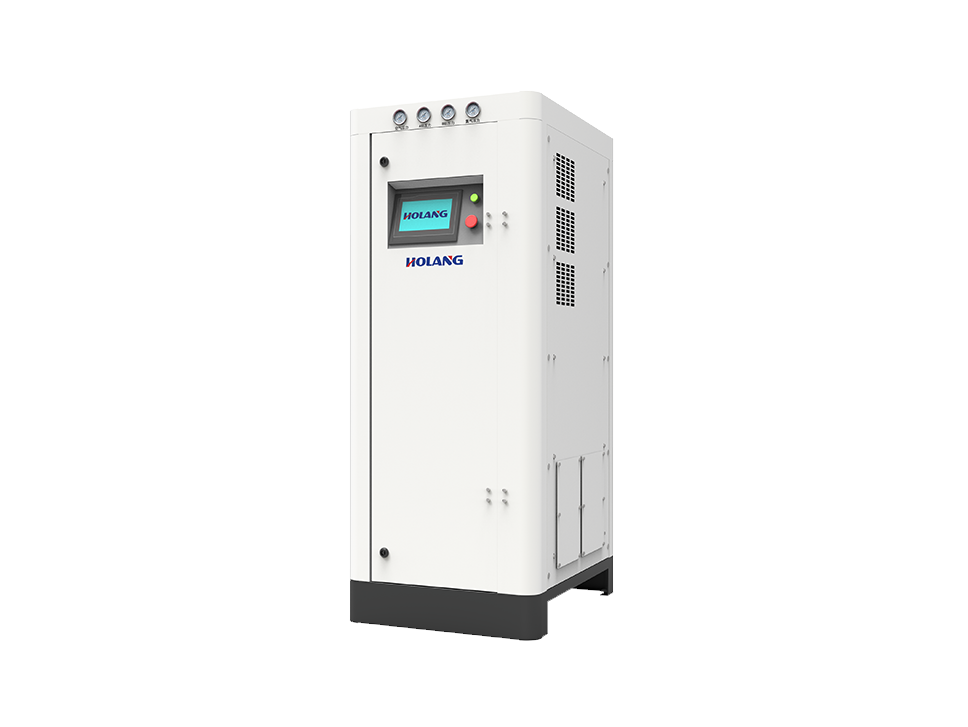
NPA Series Integrated Nitrogen Generator
The NPA series integrates the air compressor, drying system, filtration components, and nitrogen generation unit into one compact system. It is suitable for laboratories, small-scale applications, and locations with limited installation space.
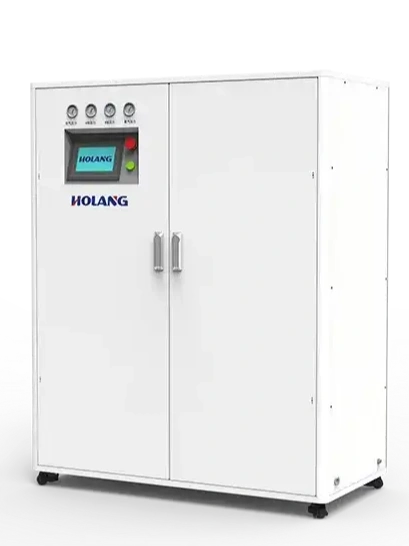
NPS Series Small Modular Nitrogen Generator
The NPS series is designed for applications where a stable external compressed air source is already available and independent nitrogen supply is required.
-0NqYTs5H.png)
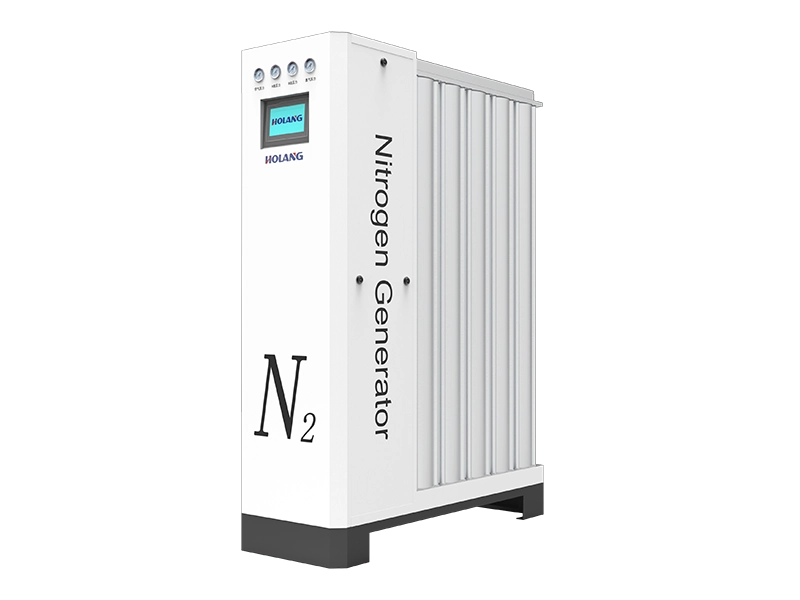
NPL Series Modular Nitrogen Generator
The NPL series is designed for industrial continuous nitrogen supply applications.
With modular design, the system can be configured according to different flow rates and purity requirements.
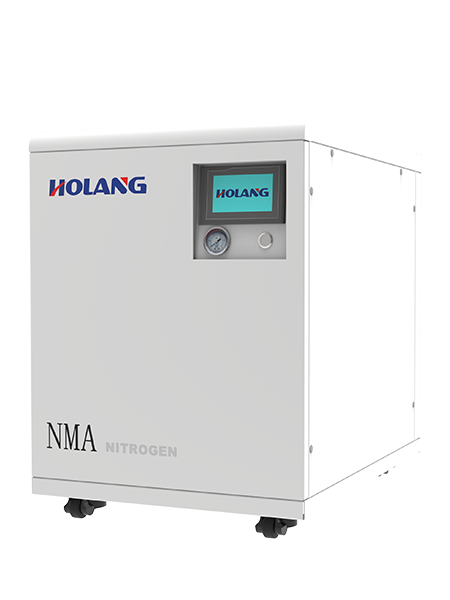
NMA Series Membrane Nitrogen Generator
The NMA series uses membrane separation technology and is suitable for industrial applications where moderate nitrogen purity is required.
From laboratory analysis and testing to food packaging, electronics manufacturing, and pharmaceutical applications, HOLANG provides reliable nitrogen generation solutions based on actual customer requirements.
Conclusion
The stable operation of a nitrogen generation system depends not only on the nitrogen generator itself but also on the quality of the compressed air entering the system.
From air compression and purification to nitrogen separation and final output, every stage affects the reliability and performance of the final nitrogen supply.
Therefore, when planning a nitrogen supply system, it is important to consider the complete application requirements, including air source conditions, nitrogen purity, flow demand, and operating conditions, rather than selecting a single piece of equipment separately.
HOLANG specializes in the research, development, and manufacturing of industrial gas equipment. With more than 20 years of industry experience, HOLANG provides complete nitrogen supply solutions for industries including electronics manufacturing, food preservation, laboratories, and biopharmaceutical applications.
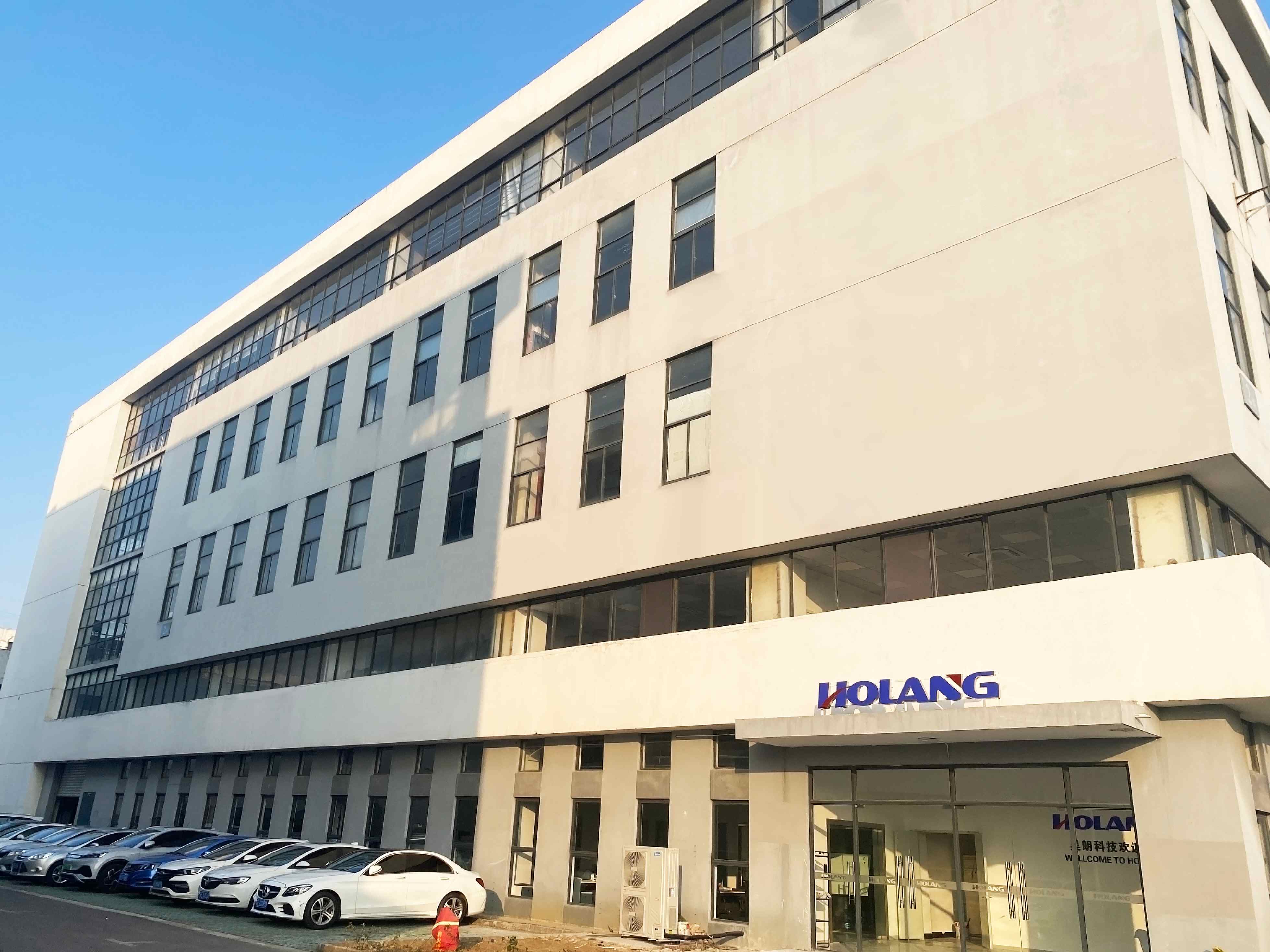
If you are evaluating a nitrogen generator project, please provide your nitrogen demand and site conditions. HOLANG will help design a suitable nitrogen supply solution based on your application requirements.