


In the previous article, we discussed how to match nitrogen systems with reflow ovens during the selection stage.
However, in actual production environments, a more practical question often arises: After installation and oxygen levels meet the target, which parameters should be monitored during daily operation?
Nitrogen systems do not remain static over time. Filter elements gradually approach saturation, sealing components age, and dew point may fluctuate. These are normal operational characteristics rather than equipment faults.
The real challenge is: Can these changes be identified early through data monitoring before they impact production?
This article outlines five key parameters that should be continuously monitored in reflow oven nitrogen systems, along with recommended reference ranges.
1. Oxygen Content Trend
A single oxygen reading only reflects a momentary condition. In contrast, the trend of oxygen content over time provides more meaningful insight into system performance.
If oxygen levels show a gradual increase (for example, from 1000 ppm to 1200 ppm), this may indicate:
-
Filters approaching saturation
-
Minor leakage in pipelines
-
Degradation of oven sealing performance
Reference range: Setpoint ±10%
Warning signal: Continuous increase over 3 days or fluctuation exceeding ±20%
2. Instantaneous Flow Rate
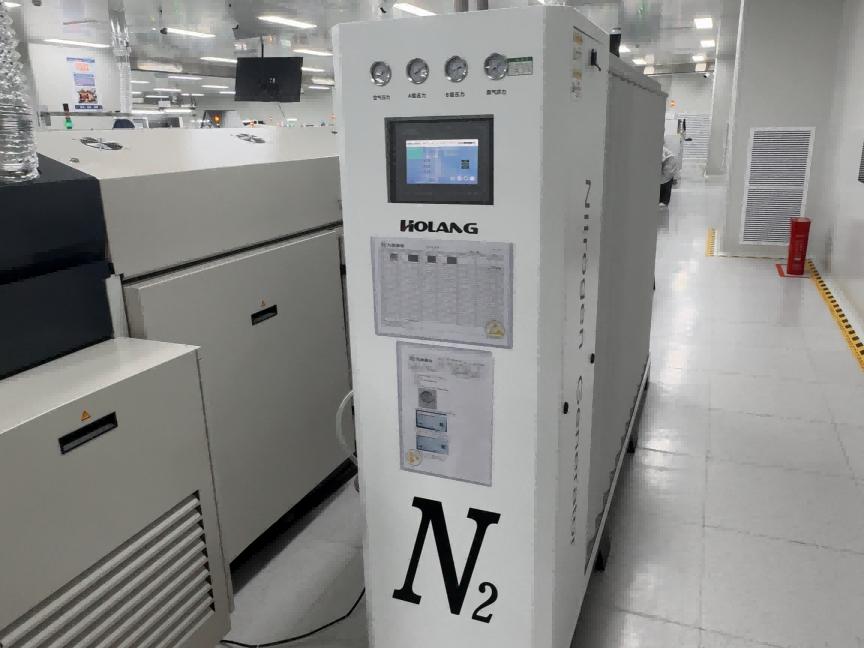
Flow rate is one of the most direct indicators of system status.
-
Increased flow rate may suggest leakage or sealing issues
-
Decreased flow rate may indicate filter blockage or insufficient gas supply
Monitoring flow trends helps identify abnormal consumption before it becomes critical.
Reference range: Rated value ±15%
Warning signal: Deviation from normal range for 3 consecutive days
3. Pressure Stability
Stable gas supply pressure is essential for maintaining consistent oxygen control inside the reflow oven, which directly affects soldering quality.
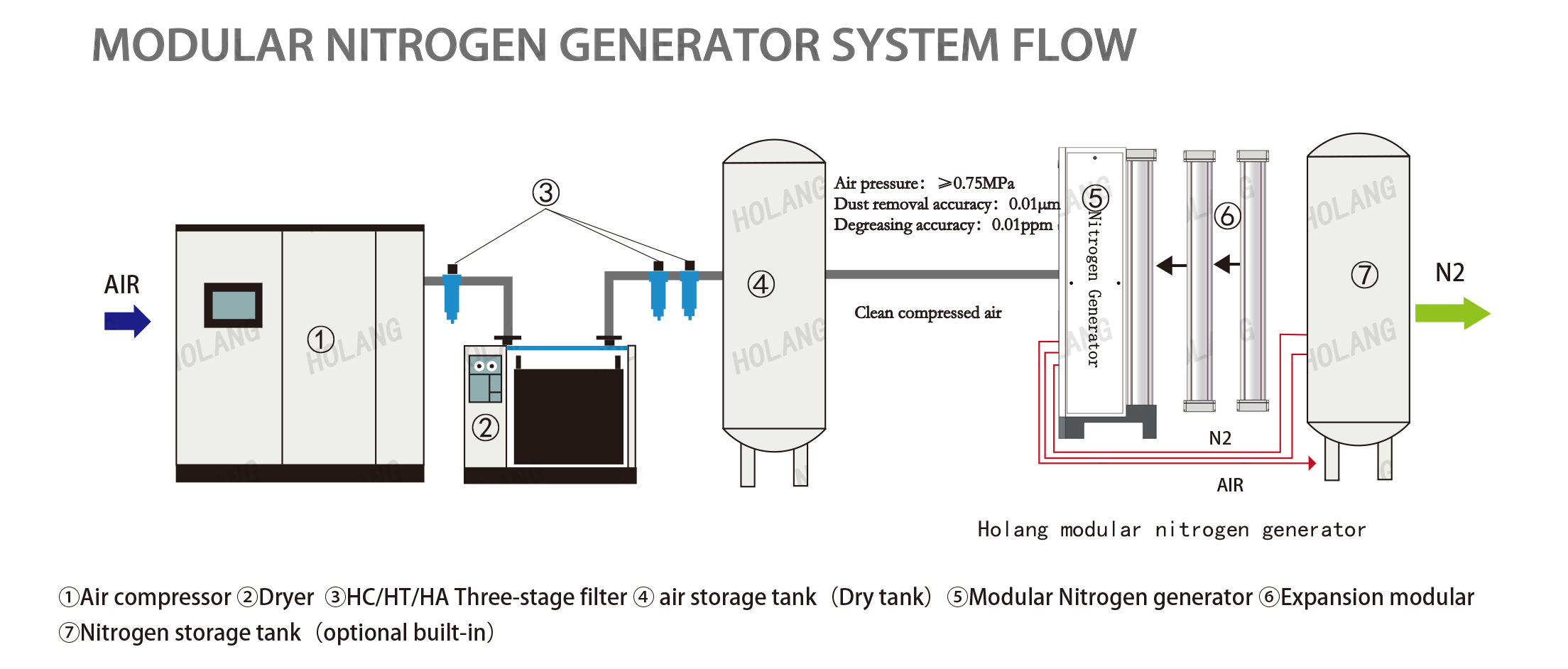
Common causes of pressure fluctuation include:
-
Frequent start-stop of high-power equipment
-
Improper pipeline design
-
Insufficient buffer tank capacity
Even small pressure variations can lead to oxygen instability in the process zone.
Reference range: Setpoint ±0.05 MPa
Warning signal: Frequent fluctuations or pressure below process requirements
4. Dew Point
Dew point reflects the moisture content in nitrogen, which plays a critical role in soldering quality.
An increase in dew point is typically associated with:
-
Malfunction of drying equipment
-
Saturation of filtration systems
-
Variations in compressed air quality
Excess moisture may lead to oxidation risks and defects in solder joints.
Reference range: ≤ -40°C
Warning signal: Above -35°C or continuously rising
5. System Operation Records
Modern nitrogen systems are usually equipped with operation logs and alarm functions.
A single alarm does not necessarily affect production. However, repeated alarms often indicate underlying issues that should not be ignored. It is recommended to periodically review system records and identify recurring patterns or anomalies.
Conclusion
Stable operation of a nitrogen system depends on continuous monitoring of key parameters:
-
Oxygen trends reflect process stability
-
Flow rate indicates system condition
-
Pressure stability affects soldering consistency
-
Dew point controls moisture risks
-
Alarm records reveal potential faults
With simple daily monitoring, potential issues can be identified early and addressed before they impact production. This not only ensures stable operation but also helps optimize long-term operating costs.