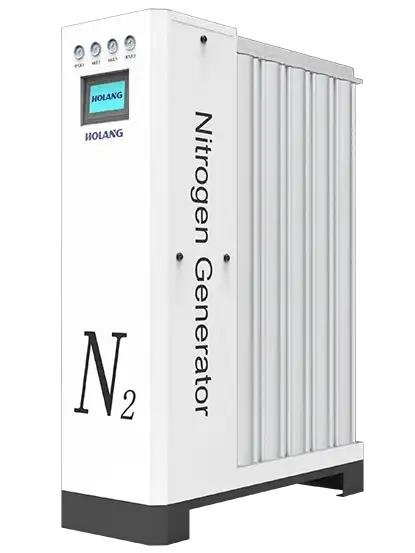
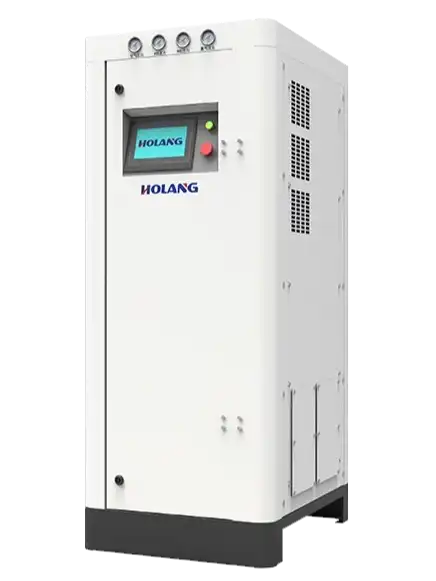
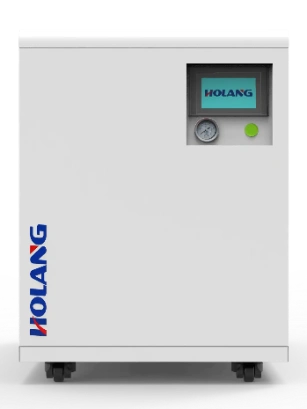



Industrial nitrogen generation technologies such as PSA and membrane separation have been widely adopted in Europe, the United States and Japan since the mid-20th century, supported by decades of engineering experience and mature validation systems. China’s nitrogen generator industry has accelerated significantly in the past 15–20 years, particularly in modular design, automation, system integration and lifecycle cost performance. This article presents an engineering-based comparison to help factories choose the right on-site nitrogen solution.

1. Industry Background: Mature International Systems, Rapid Chinese Growth 🌍
PSA and membrane nitrogen technologies were commercialized in overseas markets several decades ago, forming deeply rooted engineering systems with standardized logic and large amounts of operating data.
China’s development curve is different. While research began earlier, true large-scale industrialization and rapid iteration mainly occurred in the past 15–20 years, driven by manufacturing expansion, automation upgrades and a complete domestic supply chain.
Today, the global nitrogen market consists of two parallel paths: long-validated international systems vs. fast-iterating Chinese engineering innovation.
2. Technical Comparison: The Gap Has Shifted From Hardware to System Philosophy ⚙️
Leading Chinese manufacturers now use components equal in grade to those of international brands:
-
High-quality CMS
-
Long-life pneumatic valves
-
International PLC control systems
-
High-precision oxygen analyzers
-
Reliable drying modules
-
Low pressure-drop piping
The real differentiation lies in system-level engineering, including:
-
Control logic maturity
-
Tower-switching strategy
-
Software consistency
-
Verification standards
-
System architecture design
International brands benefit from decades of data and slow, stable product cycles. Chinese brands benefit from rapid iteration and flexible engineering.
3. Stability: Different Sources of Reliability, Not “Who Is Better” 🔧
Imported systems achieve stability through long-term validation and highly consistent product lines. Chinese systems achieve stability through continuous optimization and adaptation to real operating conditions.
In summary:
-
Imported systems = predictability
-
Chinese systems = adaptability and flexible optimization
Both are valid engineering paths, and the better option depends on the application.
4. Service & Lifecycle Support: Clear Advantage for Chinese Systems 🚚
For factories, post-installation experience often matters more than theoretical parameters.
Imported systems typically face:
-
Long spare-part lead times
-
Slower field-service response
-
Higher maintenance cost
-
Cross-border communication barriers
Chinese systems typically offer:
-
Local spare-part availability
-
Fast engineering support
-
Adjustments based on real operating conditions
-
Lower total cost of ownership
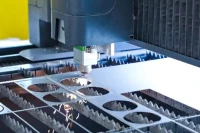
This service advantage is a key reason industries such as food, electronics, laser cutting, lithium batteries and 3D printing increasingly choose Chinese nitrogen systems.
5. Application Scenarios: Defined by Validation Requirements, Not Country of Origin 🏭
Nitrogen generators serve a wide range of industrial processes. The real splitter is validation requirements and process-risk level.
High-Validation Scenarios (Longer Engineering Cycles) 🔬
Examples:
-
Certain semiconductor processes
-
GMP-related pharmaceutical nitrogen flows
-
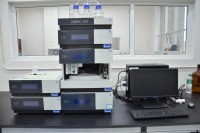
Precision laboratories
-
Projects specifying certain international brands
These require:
-
IQ/OQ/PQ validation
-
Traceable data logs
-
Multi-layer redundancy
-
Long-term performance consistency
-
Strict documentation
HOLANG’s position: We have the technical capability and project experience to participate in these segments, but we strictly deliver solutions within a fully validated and risk-controlled engineering framework.
Mainstream Industrial Applications (80%+ of demand) 🏭
Including:
-
Food & beverage
-
Electronics & SMT
-
Laser cutting & welding
-
Lithium battery production
-
Chemicals & coating
-
MAP packaging
-
3D printing
-
General inerting applications
In these sectors, Chinese nitrogen systems excel due to:
-
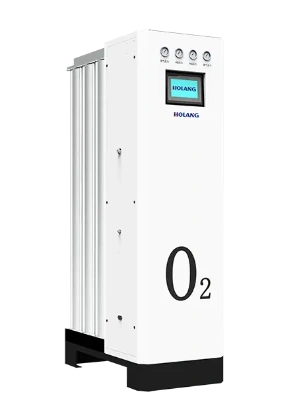
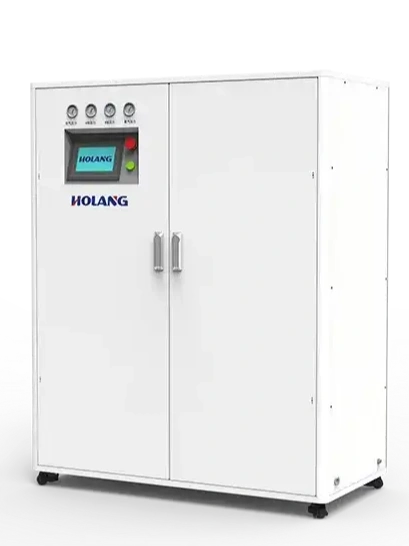
Modular PSA architecture
-
Redundancy & scalability
-
Non-stop maintenance capability
-
Fast adaptation to site operating conditions
-
Faster service
-
Lower lifecycle cost
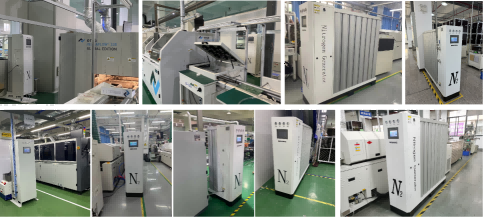
HOLANG has extensive application cases across these industries.
6. Cost Structure: Engineering Efficiency, Not “Cheap Price” 💰
The true cost of a nitrogen system includes:
-
Equipment
-
Commissioning
-
Energy efficiency
-
Maintenance
-
Spare parts
-
Downtime losses
-
Upgrades
Industry data consistently shows:
Chinese systems operate at roughly 40%–60% of the lifecycle cost of imported systems, while meeting over 80% of industrial application needs.
This is not low-price competition; it is engineering efficiency and lifecycle optimization.
7. Why China’s Nitrogen Generator Industry Advanced So Quickly 🚀
Key drivers include:
-
A fully integrated industrial supply chain
-
High engineering-talent density
-
Fast feedback from real-world operating conditions
-
New industries (laser, lithium battery, 3D printing) pushing innovation
-
Rapid development of control systems
-
Strong competition within the domestic market
-
Deep understanding of local factory requirements
China’s progress is structural and systemic.
Conclusion: Two Engineering Paths, Not a Confrontation 📢
International systems:
-
Deep technical history
-
Mature validation
-
Strong predictability
Chinese systems:
-
Faster innovation
-
Better adaptability to operating conditions
-
Faster service
-
More competitive lifecycle cost
For most industrial applications, Chinese nitrogen generators are no longer “alternatives”—they are often the optimal choice.
HOLANG will continue investing in modular PSA engineering, stability validation, intelligent control systems and lifecycle support to deliver reliable on-site nitrogen solutions worldwide.