


In many nitrogen generation projects, systems usually operate normally during commissioning and the initial start-up period. Nitrogen purity, flow rate, and pressure can all meet current production requirements, and the system appears to be stable.
As production moves into continuous operation, however, nitrogen demand gradually increases and operating hours become longer. Some changes that were not obvious at the beginning start to appear. The system does not fail immediately, but it becomes more sensitive to load variations over time.
At this stage, on-site teams often focus first on the nitrogen generator itself, adjusting operating parameters, adsorption cycles, or control logic in an attempt to improve performance. These adjustments are usually effective in the short term, but similar issues tend to reappear when the load changes again.
When load approaches the design point, changes often appear first in the air supply system
Under continuous operation, the operating condition of the upstream air system often changes earlier than that of the downstream separation unit.
In real projects, common observations include:
-
Significantly longer compressor loading time with shorter unloading intervals
-
Air compressors operating close to their stable output limits during continuous operation
-
Reduced buffering capacity against nitrogen demand fluctuations
These conditions do not necessarily indicate equipment failure. More often, they suggest that the system is approaching the load boundary of its original configuration.
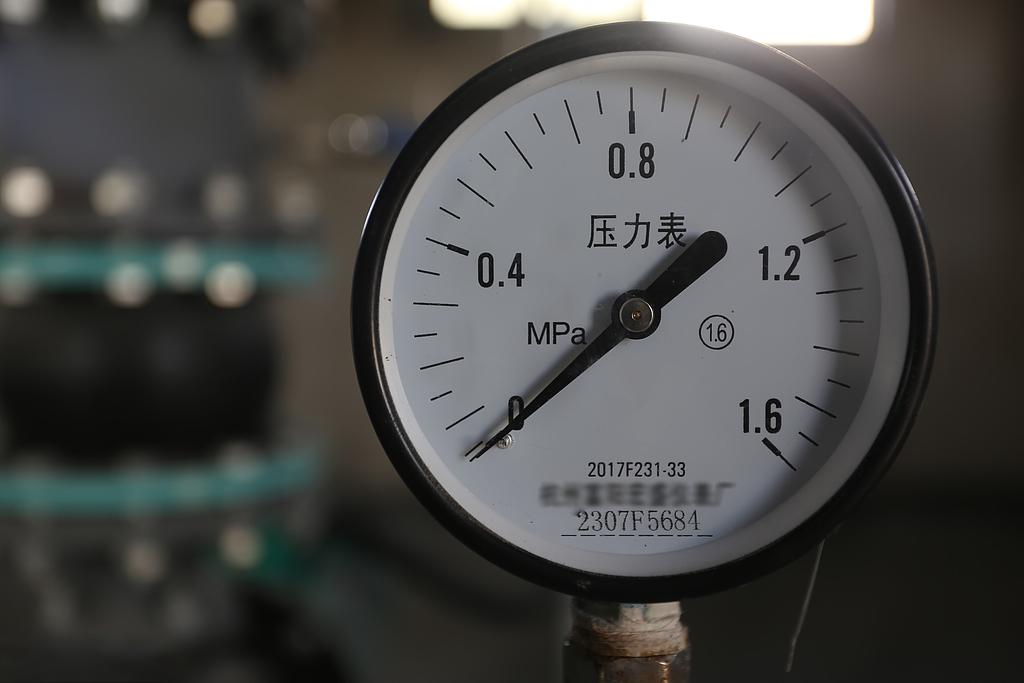
Pressure and purity changes as operational feedback
At some sites, inlet pressure may still remain within the set range, but pressure stability begins to decline. Pressure fluctuations are usually not severe, yet they persist during continuous operation.
At the same time, nitrogen purity may start to show a clear relationship with load:
-
Purity remains stable under low load
-
As load increases, purity gradually approaches the control limit
-
When load decreases, purity recovers
Such behavior does not necessarily point to insufficient nitrogen generation capacity. In many projects, it more often indicates that upstream air conditions have become the limiting factor for system operation.
More effective approaches observed in actual projects
In some projects, once nitrogen supply stability issues are gradually traced back to upstream air conditions, the corrective approach becomes clearer.
On-site teams typically focus on the following aspects:
-
Re-evaluating the available operating margin of the air supply system under current conditions
-
Paying closer attention to supply smoothness during continuous operation
-
Checking whether air treatment and auxiliary equipment still match the current production rhythm
Compared with repeatedly adjusting nitrogen generation parameters, re-matching air supply conditions at the source is often more beneficial for long-term stable operation.
Practical experience
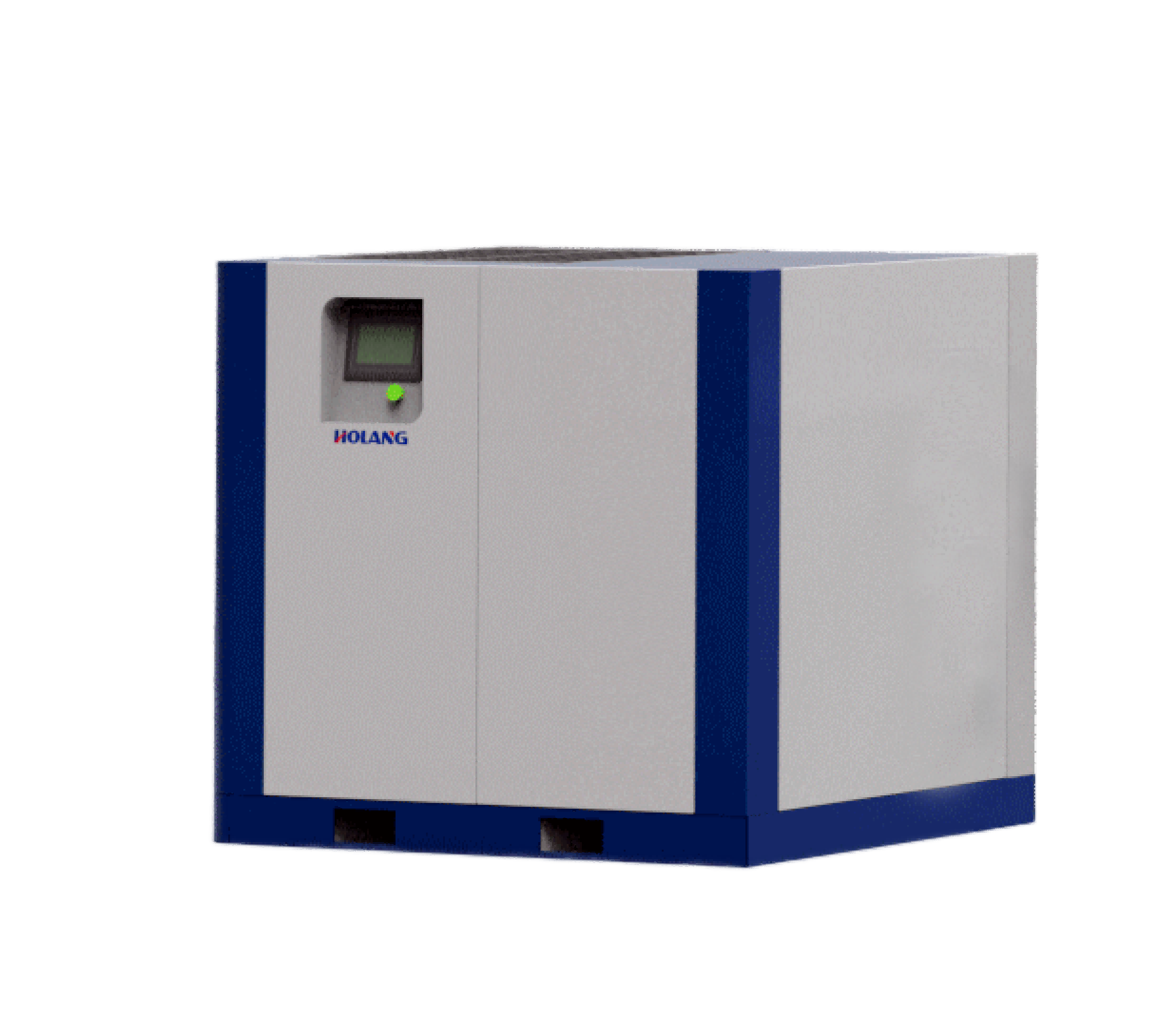
In real projects, when HOLANG assists customers with nitrogen generator system configuration, the evaluation usually includes the performance of the upstream air system under continuous operation, rather than focusing solely on individual equipment parameters.
Many nitrogen supply issues are not caused by incorrect initial configuration, but by changes in production mode and load level, after which the original system conditions gradually reveal their limitations.
Nitrogen supply stability is rarely defined during a single commissioning phase. More often, it emerges gradually during continuous operation through a series of subtle changes. These changes are usually worth revisiting from the upstream side of the system.